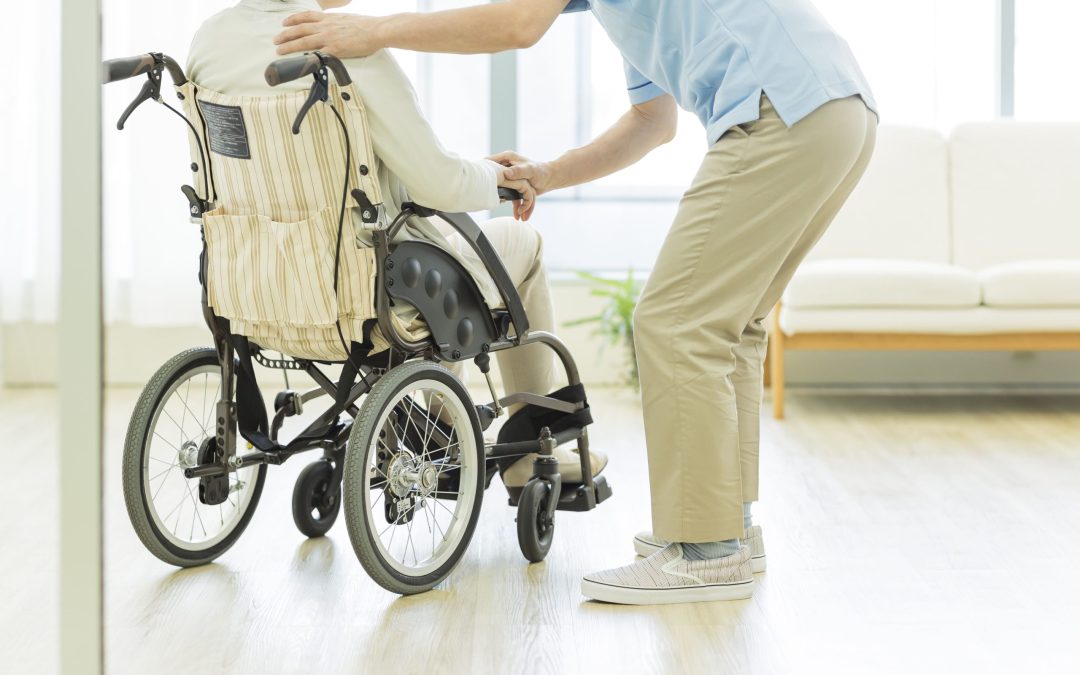
If you’re welcoming in-home care for a loved one, you’re probably juggling equal parts relief and worry. You’re relieved that help is here, but worried about whether your home is really set up to keep them safe and comfortable.
That’s completely normal. Most families in Wilmington and across the Cape Fear region feel the same way.
The truth is, even a few small changes at home can make a big difference. Clear walkways, better lighting, and grab bars in the bathroom are all examples of everyday adjustments that protect seniors’ independence, dignity, and peace of mind.
In this home safety checklist for seniors, we’ll walk through practical tips and a simple checklist to reduce risks and create a home where seniors and their caregivers can feel confident. Think of it as a thoughtful conversation about safety, shaped by real-life scenarios and local insight.
Common Risk Factors for Older Adults at Home
Safety at home is often threatened by a handful of common hazards, and the risk is real.
In fact, NCDHHS reports that falls are the second leading cause of unintentional injury death for North Carolinians of all ages. In every year from 1999 to 2019, falls were the number one cause of injury death for individuals 65 and older.
Tripping over loose rugs, scattered cords, or low lighting in hallways can result in broken bones or serious illness. Bathrooms, with their smooth floors and water hazards, frequently contribute to the risk of falling.
Clutter (even small items like shoes or pet toys) can block the way and make balance more difficult. Poor medication management, such as expired prescriptions or confusing storage, can cause dangerous health events.
Each of these risks, if left unchecked, can erode confidence, restrict movement, or lead to longer recovery times. Conversely, proactively addressing these concerns helps maintain seniors’ sense of autonomy while preventing both fatal and nonfatal injuries.
Creating a Safe Home Care Environment: Room-by-Room Guide
A safe home care environment starts by taking a close look at each room. By focusing on specific spaces, you can identify quick fixes and longer-term solutions that suit your unique needs.
Living Room & Hallways
Begin with clear walkways. Remove clutter such as newspapers, electrical cords, or decorative items from main paths. Secure area rugs with non-slip pads or remove them entirely, as they are leading tripping hazards.
You should also make sure furniture is arranged to allow wide, unobstructed routes for both walking and using mobility aids. If someone in your family has balance issues, installing grab bars at key points in hallways can provide steady support when moving between rooms.
Bathroom
Bathrooms see the majority of slip-related injuries among seniors. The CDC even reports that 81% of nonfatal bathroom injuries treated in U.S. emergency departments are caused by falls, especially among seniors.
Place non-slip mats both inside and outside the shower or bathtub (wherever wet surfaces are common). Raised toilet seats and grab bars in the shower area help reduce strain and prevent falls.
You may also want to consider a handheld showerhead for easier bathing, or a shower chair if standing is difficult. Make sure all toiletries are within easy reach, and remove rugs that might bunch or slide around on bathroom tiles.
Bedroom
In the bedroom, make sure that the bed height allows for easy sitting and standing (neither too high nor too low). Extra pillows or mattress risers can help with adjustments.
It’s also smart to place light switches close to the bed, or install touch lamps that are easy to operate at night. Clear a direct, open pathway from the bed to the bathroom, removing any obstacles or low furniture.
Kitchen
The kitchen should be organized for both safety and ease. Store sharp tools, knives, and cleaning products out of immediate reach or behind childproof latches if needed.
To help prevent serious injuries, use non-slip mats by the sink and stove, as spills can make these spots dangerous. Keep most-used utensils and cookware in easy-to-reach places to avoid climbing or stretching.
Lastly, examine the refrigerator contents regularly to remove expired items and prevent foodborne illness.
Entrances and Exits
Entrances must be well-lit, with light switches placed near doors. You may also want to place night lights in hallways or bathrooms. Outdoor walkways should be kept clear of leaves and debris, especially during seasons when rain is common in Wilmington.
We also recommend adding handrails on both sides of the steps, or consider a sturdy ramp for wheelchair or walker access. Make sure door thresholds are flush or marked to avoid tripping hazards.
Taking time to address each space creates a stable foundation not just for safety, but also for daily comfort and peace of mind.
Strategies for Fall Prevention at Home
Keeping your home safe from falls is all about small, consistent habits.
Start with the basics: good lighting. Bright, energy-efficient bulbs make a big difference, and nightlights in bedrooms, bathrooms, and hallways can keep you from stumbling during late-night trips.
If you or your loved one uses a walker or a cane, keep it close by and in good condition. It should always feel reliable. Adding grab bars in bathrooms and along well-traveled hallways gives that extra bit of stability where slips are most likely to happen.
Footwear matters, too. Trade out slippery slippers for closed-toe shoes with solid, non-skid soles. Also, don’t underestimate the power of planning for safe physical activity. Gentle exercise, even while seated, helps keep balance and strength in check.
Assistive Devices & Home Modifications for Elder Care
Some safety needs call for larger or long-term changes.
For instance, installing a stairlift or quality ramp at entryways can help those with limited mobility maintain easy access. Walk-in showers or tubs reduce the need to step over high edges and often come with built-in seating. Widening doorways supports the use of wheelchairs or walkers, making navigation smoother.
Smart home technology, like motion-activated lights, door sensors, or automated medication reminders, adds another layer of confidence for families and caregivers.
Investing in these adaptations early supports safe, long-term living at home, which is often a top priority for seniors in our region.
Home Safety Checklist for Families and Caregivers
In summary, here’s our home safety checklist for seniors in North Carolina:
Ensure all walkways and hallways are clear of clutter and cords
Secure rugs with non-slip backings or remove them
Add non-slip mats in bathrooms and kitchens
Install grab bars in bathrooms and near steps
Check that lighting is bright and accessible in every room
Arrange furniture to allow wide, straight paths
Confirm smoke and carbon monoxide detectors are working
Store medications in a safe, labeled spot
Keep emergency contact numbers posted and easy to find
Test door locks and window latches for security
Make sure main entrances are easy to open and well lit
A safe home allows seniors to move with confidence, lowers the risk of falls, and creates an environment where daily routines feel more comfortable. Families who make safety a priority often find that small changes can have a big impact on independence and peace of mind.
We’re Here to Help Make Your Loved One’s Home Safer
Preparing a safe home care environment isn’t just a one-time task, but rather an ongoing commitment that helps seniors live with dignity and families feel peace of mind. Regular check-ins, simple adjustments, and the right support make all the difference.
At New Estuary Home Care, our locally based team has years of experience helping Wilmington and southeastern North Carolina families build safer, more comfortable homes. Whether you’re looking for a personalized safety assessment or ongoing care services, we’re here with knowledge and hands-on support you can trust.
Take the next step in fall-proofing today. Contact us to schedule a consultation or safety review with our health professionals.
The days after a hospital discharge are often the most fragile part of recovery. While medical treatment may be complete, healing is still underway, and everyday tasks, medication schedules, and follow-up care can become difficult to manage without support.
Minor challenges can lead to complications that send seniors back to the hospital. With the right care at home, families can help their loved ones prevent hospital readmissions in Wilmington, NC while giving them the stability and confidence to recover safely.
Families often want to do everything they can to support a loved one after a hospital stay, but providing constant care is not always realistic. Work schedules, distance, and the complexity of recovery can make it difficult to manage medications, follow-up appointments, mobility needs, and daily routines without extra help. That’s where quality home care can make a meaningful difference.
With the right support in place, seniors are more likely to recover safely, follow their care plan, and avoid complications that could send them back to the hospital. This article looks at why hospital readmissions happen, how home care helps reduce those risks, and practical steps families can take to create a smoother, safer recovery at home.
TL;DR
Home care helps seniors avoid returning to the hospital by supporting medication schedules, safe mobility, nutrition, and follow-up appointments after discharge. Caregivers observe day-to-day changes and alert families to potential concerns.
Why Hospital Readmissions Are Common Among Seniors
Older adults return to the hospital because recovery involves many moving parts, from medication management to follow-up care and daily support at home. One missed step can add complications and develop quickly, leading to a major setback.
This is why it is important to understand the most common causes so families and caregivers can take action early. Some of the common reasons include:
Medication errors or missed doses
Falls after discharge
Missed follow-up appointments
Poor nutrition or dehydration
Limited mobility
Chronic health conditions
Lack of caregiver support
Difficulty following discharge instructions
The first 30 days after discharge carry the highest risk. A study on predictors of hospital readmission rate in geriatric patients found that in a geriatric population of multimorbid hospitalized patients, the readmission rate was 15% at 30 days. This early window is when seniors are weakest and most likely to face setbacks that send them back.
What Is Transitional Home Care?
Transitional home care is short-term support that begins right after a hospital stay. It helps seniors regain strength and confidence while lowering the chance of complications. The ultimate goal is to create a smooth, safe transition from the hospital bed to full senior recovery at home.
Some of the typical services include:
Recovery monitoring: Observing changes in health, comfort, and daily progress to help identify concerns early.
Medication reminders: Helping seniors take the right medications at the right time as directed.
Mobility assistance: Supporting safe movement around the home to reduce the risk of falls or injury.
Meal preparation: Preparing nutritious meals that support strength, healing, and overall recovery.
Transportation to appointments: Ensuring seniors can attend follow-up visits, therapy sessions, and other medical appointments.
Emotional support and companionship: Providing reassurance, conversation, and encouragement during the recovery process.
Communication with family members: Keeping loved ones informed about progress, needs, and any changes in condition.
This kind of care fills the gap left when nurses and hospital staff are no longer present. For families exploring post-hospital home care in Wilmington, NC, transitional care offers structure during the most fragile recovery period.
How Home Care Helps Prevent Hospital Readmissions
Home care can reduce readmissions by addressing the exact problems that cause them. According to research on reducing hospital readmissions, about 27% of 1,000 patients readmitted within 30 days of discharge were considered potentially preventable, which shows how much daily support matters. So, consistent, attentive in-home recovery care in Wilmington, NC can help address these preventable risks before they lead to complications.
Let’s break it down further!
Medication Reminders and Routine Support
Medication routines can become confusing after a hospital stay, especially when new prescriptions are added. Caregivers provide reminders so seniors take the right dose at the right time, help follow discharge instructions, and watch for signs of confusion. This lowers the risk of medication-related complications that frequently trigger a return trip to the hospital.
Reduces Fall Risks During Recovery
Falls are one of the most common reasons seniors return to the hospital after discharge. To tackle this, caregivers provide safe mobility assistance and help seniors move with greater confidence. They also monitor balance, encourage careful movement, and reduce risks during daily routines. By identifying and removing household hazards, they help create a safer recovery environment.
Supports Proper Nutrition and Hydration
Healing starts with good nutrition. Caregivers can prepare balanced meals, encourage healthy eating, and offer hydration reminders throughout the day. Proper nutrition supports tissue repair, energy, and immune strength, helping seniors recover more comfortably while reducing the risk of dehydration-related complications.
Helps Seniors Attend Follow-Up Appointments
Missed appointments interrupt recovery. Caregivers provide transportation, offer appointment reminders, and keep families informed. This continuity of care keeps doctors aware of a senior’s progress and allows early adjustments before a small issue becomes a hospital visit.
Provides Ongoing Observation and Emotional Support
Caregivers spend meaningful time with seniors, making it easier to notice subtle changes in their health or behavior. They can identify early signs such as new symptoms, reduced mobility, confusion, or changes in appetite. This ongoing attention helps families respond to concerns before they become more serious.
Who Benefits Most from Transitional Home Care?
Transitional home care provides extra support during one of the most vulnerable stages of recovery. While many seniors can benefit after a hospital stay, certain conditions and procedures make short-term assistance especially valuable.
Pneumonia: Lingering fatigue, breathing difficulties, and reduced stamina can make everyday activities more challenging. Having support at home helps seniors recover at a comfortable pace while following their treatment plan.
Heart-Related Hospitalizations: Recovery after heart failure, a heart attack, or other cardiac conditions often involves medication management, lifestyle adjustments, and follow-up care. Temporary assistance can help seniors stay on track and reduce the risk of complications.
Joint Replacement Surgery: Hip and knee replacement patients may experience limited mobility during the first few weeks at home. Assistance with walking, personal care, meal preparation, and household tasks supports a safer recovery while lowering the risk of falls.
General Illness: Even a short hospital stay for an infection or other illness can leave older adults feeling weak and unsteady. Extra help with daily routines allows them to focus their energy on healing instead of managing household responsibilities.
Extended Hospital Stays: Spending several days or weeks in the hospital can lead to muscle loss, reduced endurance, and difficulty returning to normal activities. Transitional care provides the encouragement and practical support needed to rebuild strength gradually.
Chronic Disease Flare-Ups: Conditions such as COPD, diabetes, or kidney disease often require close attention after discharge. Regular support with medications, nutrition, and daily routines helps seniors follow their care plan more consistently.
Heart-related conditions deserve special attention because they remain one of the leading causes of hospital readmissions among older adults. Even seniors who were independent before hospitalization may benefit from temporary assistance while they regain their strength.
For many families, a hospital discharge is also the point at which they realize when to consider home care for seniors, especially if a loved one needs extra help with mobility, medications, meals, or other daily activities during recovery.
How Families Can Support a Successful Recovery at Home
Family involvement plays a meaningful role in helping seniors recover safely and confidently at home. When families stay organized, observant, and proactive, they can reduce avoidable risks and support a smoother transition after discharge.
Here are some of the ways you can support:
Follow discharge instructions: Review the care plan carefully and make sure each step is followed as recommended.
Organize medications: Use a weekly pill box or medication schedule to help prevent missed or incorrect doses.
Encourage hydration: Offer regular fluids throughout the day to support energy, healing, and overall wellness.
Keep follow-up appointments: Attend all scheduled visits so doctors can track recovery and address concerns early.
Reduce household hazards: Remove loose rugs, improve lighting, and clear walkways to lower the risk of falls.
Monitor recovery progress: Watch for changes in mood, appetite, mobility, or symptoms and note anything unusual.
Ask for professional support: Bring in home care assistance when daily recovery needs become difficult to manage alone.
Pro tip: Home care works best as an extension of family caregiving, not a replacement, adding steady support, practical help, and trained attention when families cannot be there around the clock.
Why Wilmington Families Choose Home Care After Hospital Discharge
Families often choose professional care because it allows loved ones to recover where they feel safest and most comfortable. To make that recovery safer and more manageable, structured transitional home care provides trained supervision, medication reminders, mobility assistance, and early monitoring for changes that could lead to complications. With this added support in place, families gain reassurance knowing their loved one has consistent care during the critical period after discharge.
In short, Wilmington families prefer home care after hospital discharge for these reasons:
Aging in place with dignity: Seniors can recover comfortably in their own homes while maintaining independence and self-respect.
Personalized recovery support: Care is tailored to each person’s health needs, routines, and recovery goals.
Flexible scheduling: Families can arrange care based on the level of support needed, from a few hours to daily assistance.
Reduced caregiver stress: Professional support helps ease the pressure on family members while ensuring consistent care.
Safer recovery at home: Caregivers help reduce risks such as falls, missed medications, and preventable complications.
Peace of mind for the whole family: Loved ones can feel more confident knowing dependable support is in place.
Why Choose New Estuary Home Care for Post-Hospital Recovery?
A successful recovery depends on more than medical treatment. It also relies on having consistent support that helps seniors adjust to life back at home without feeling overwhelmed. At New Estuary Home Care, every care plan is built around the individual’s recovery goals, daily routines, and changing needs, making each visit meaningful and reassuring.
Families choose New Estuary Home Care because of its commitment to thoughtful, relationship-driven care. Every caregiver is thoroughly screened, professionally trained, and equipped to provide compassionate assistance while respecting each client’s independence. With dependable hospital discharge care in Wilmington, seniors receive the steady support they need to recover comfortably at home while families gain added peace of mind.
Frequently Asked Questions
How can home care help prevent hospital readmissions?
Home care helps reduce readmissions by addressing the daily risks that often lead to them. Through support with medication schedules, safe mobility, nutrition, and follow-up appointments, caregivers help seniors stay on track while also watching for early warning signs that may need attention.
What is transitional home care?
Transitional home care provides short-term support that begins soon after a hospital stay, helping seniors move from hospital treatment to recovery at home with greater safety and confidence. By offering assistance with daily routines, mobility, medication reminders, and basic monitoring, it helps seniors regain strength while reducing the risk of complications during the early stages of recovery.
How long do seniors typically need post-hospital home care?
Most seniors need support for a few weeks after leaving the hospital, but the exact timeline depends on their health, mobility, and recovery goals. Those recovering from surgery, a serious illness, or a longer hospital stay may benefit from extended care to stay safe, rebuild strength, and follow their recovery plan more consistently.
Can caregivers help with transportation to follow-up appointments?
Yes. Caregivers can help seniors stay connected to their care plan by providing transportation to appointments, offering timely reminders, and keeping family members updated. This support makes it easier to follow medical guidance, attend important follow-ups, and maintain continuity of care after discharge.
Final Thoughts
The days following a hospital discharge can have a lasting impact on a senior’s recovery. While medical treatment may be complete, healing continues at home, where consistent routines, proper nutrition, medication adherence, safe mobility, and regular observation all contribute to better outcomes. Addressing small concerns early can help seniors stay on track with their recovery and lower the likelihood of another hospital visit.
With the right support, families can focus less on managing every detail and more on spending meaningful time with their loved one. At New Estuary Home Care, we create personalized post-hospital care plans that promote independence, encourage a smooth recovery, and provide dependable support every step of the way. If your loved one is preparing to return home from the hospital, we’re here to help you build a care plan that fits their needs and gives your family greater peace of mind.
More seniors in Wilmington are choosing to stay in the homes they love as they age. Aging in place gives older adults comfort, familiarity, and a greater sense of independence. At the same time, retirement, the loss of a spouse, or reduced mobility can leave many seniors feeling isolated.
According to Aging in Place, more than 90% of older adults prefer living at home rather than moving into an assisted living facility. Staying at home, however, is about more than meeting physical needs. Emotional support and meaningful social interaction also matter.
That is why companion care in Wilmington, NC plays such an important role in helping seniors feel supported, connected, and comfortable while continuing to live at home. This article explains what companion care includes, who benefits, and how it improves daily life for seniors across the Cape Fear region.
What Are Companion Care Services?
Companion care is a non-medical home care service focused on social and emotional support. In Wilmington, it helps seniors stay engaged, safe, and connected while living at home. Unlike skilled nursing, companion care does not include medical treatment. It also differs from personal care by focusing on social and emotional support rather than hands-on assistance with tasks such as bathing, dressing, or grooming.
Instead, elderly companion care focuses on meaningful companionship, emotional support, and light assistance with everyday activities. Some of the common services include:
Friendly conversation to provide connection and reduce loneliness.
Meal companionship to make eating more enjoyable and social.
Light housekeeping to help keep the home tidy and comfortable.
Grocery shopping to ensure everyday essentials are always available.
Transportation to appointments, visits, or community activities.
Errands to help manage routine tasks outside the home.
Recreational activities to support engagement, hobbies, and enjoyment.
Medication reminders to help maintain daily routines.
Safety supervision to provide reassurance and help prevent accidents.
Pro tip: Choosing the right type of home care starts with understanding the differences. This guide to flexible personal care services in Wilmington, NC explains when companion care is enough and when personal care may be a better option.
Why Social Connection Is Essential for Seniors
Loneliness affects far more than mood. It can weaken emotional health, cloud mental wellness, reduce confidence and even take a toll on physical health. When seniors feel isolated, everyday routines can begin to slip, and over time, those small changes may affect their overall quality of life.
For families seeking senior companionship in Wilmington, regular support can help interrupt that cycle. A familiar, steady presence gives older adults something to look forward to while encouraging conversation, hobbies and simple daily habits that keep them engaged.
Just as importantly, companionship helps seniors feel seen and valued. When someone shows up consistently, it reinforces routine, supports emotional well-being and brings a sense of connection back into daily life. With the right companionship, seniors can continue living at home with comfort, confidence and purpose.
Benefits of Companion Care Services in Wilmington, NC
For residents who choose companion care services in Wilmington, NC, the value extends far beyond errands and chores. It supports emotional health, safety and overall quality of life every day.
Here are some of the benefits of companion care services in Wilmington, NC:
Reduces Loneliness and Encourages Social Interaction
A trusted companion can make daily life feel less lonely and more meaningful. Through regular conversation, shared hobbies, and steady emotional support, caregivers build relationships that help seniors feel heard, valued, and connected. Over time, that familiarity can ease the isolation many older adults experience when living alone.
Supports Independent Living
Companion care helps seniors keep their daily routines intact. A caregiver can assist with meal preparation, offer appointment reminders, and provide light household help. North Carolina’s Division of Aging and Adult Services lists In-Home Aide as a service option for older adults, reflecting how these supports keep people at home longer.
Provides Transportation and Errand Assistance
Reliable transportation helps seniors stay active and manage everyday responsibilities with greater ease. A companion caregiver can provide rides for grocery shopping, medical appointments, pharmacy visits, and community activities, while also assisting with routine errands. This support helps older adults remain independent, stay connected with their community, and complete essential tasks without relying entirely on family members.
Gives Families Peace of Mind
Regular caregiver visits give families reassurance when they cannot be there every day. With consistent check-ins and clear communication, loved ones stay informed about a senior’s mood, routine and overall well-being. This reliable support helps reduce caregiver stress and allows family members to feel more confident that their loved one is safe and cared for.
Encourages a Better Quality of Life
Companion care helps seniors enjoy more fulfilling days by encouraging them to stay active and engaged. A caregiver can support favorite hobbies, join them for outdoor walks, and help create opportunities for meaningful social interaction. These simple activities can lift mood, add structure to the day, and support a better overall quality of life.
Who Can Benefit from Companion Care?
Recognizing the signs an aging parent needs home care and understanding when to consider home care can help families determine whether companion care is the right fit. While every senior’s situation is unique, companion care can provide meaningful support before everyday challenges begin affecting quality of life.
Companion care may be especially beneficial for:
Seniors living alone
Older adults with limited mobility
Individuals recovering from an illness
Seniors experiencing mild memory changes
Family caregivers needing occasional support
Since companion care is flexible, services can be adjusted to match a senior’s lifestyle, preferences, and changing needs. This allows older adults to receive the right level of social support while giving family caregivers additional reassurance.
Companion Care vs Personal Care: What’s the Difference?
These services can both help seniors remain comfortable at home, but they are designed for different levels of support. The table below explains how senior companion care in Wilmington compares with personal care:
Feature
Companion Care
Personal Care
Focus
Social and emotional support
Hands-on physical assistance
Typical tasks
Conversation, errands, light housekeeping
Bathing, dressing, mobility help
Medical involvement
None
May involve health monitoring
Best for
Seniors seeking connection and light help
Seniors needing daily physical support
Signs It’s Time to Consider Companion Care
Certain patterns can show that a senior may need more consistent support, companionship and connection in daily life. These changes are often subtle at first, but noticing them early can help families respond before small concerns become bigger challenges.
Recognizing the signs sooner also makes the transition to companion care feel smoother, more comfortable, and less overwhelming. Some of the common signs include:
Spending most days alone: Long stretches of isolation can affect mood, confidence, and daily routine.
Missing appointments: Forgotten or skipped appointments may show that reminders and support are needed.
Reduced participation in hobbies: Losing interest in favorite activities can be a sign of loneliness or low motivation.
Difficulty running errands: Trouble managing groceries, pharmacy visits or other tasks may point to a need for help.
Family members worrying frequently: Ongoing concern from loved ones often means extra support could provide reassurance.
Increased isolation: Pulling back from calls, visits or social activities can make seniors feel more disconnected.
Loss of motivation: A lack of energy or interest in daily tasks may improve with regular companionship.
Why Wilmington Families Trust New Estuary Home Care
Families across New Hanover, Brunswick, Pender and Onslow Counties want care that feels dependable, compassionate, and consistent. That trust is built through the everyday qualities that shape each care experience, including:
Compassionate caregivers who show up consistently: Seniors benefit from seeing a familiar face at the same time each week. For example, a caregiver may visit every morning to offer conversation, reminders, and steady reassurance.
Flexible scheduling that fits each family’s routine: Care can be arranged around appointments, family visits or a senior’s preferred daily rhythm. For example, some families may need support a few afternoons a week, while others may prefer morning check-ins.
Personalized companionship matched to the client: Support feels more meaningful when it reflects the senior’s interests, personality, and lifestyle. For example, a caregiver may spend time gardening, playing cards, reading together or taking short walks.
Reliable communication with family members: Families feel more confident when they receive updates about their loved one’s day and well-being. For example, caregivers can share notes about mood, meals, activities or any changes they notice.
Local knowledge of Wilmington families and community life: Caregivers who understand the area can better support everyday routines and outings. For example, they may help with trips to local grocery stores, parks, medical offices or community events.
Customized care plans that adapt as needs change: A senior’s support should grow with them as routines, health or mobility needs shift. For example, a care plan may begin with companionship and errands, then later add more frequent visits.
A steady commitment to helping seniors remain independent: Companion care supports seniors without taking away their sense of control. For example, a caregiver may assist with planning errands or activities while encouraging the senior to make their own choices.
So, the right in-home companion care in Wilmington, NC should be based on a senior’s individual needs, daily routine, and personal preferences. A consultation gives families the opportunity to discuss those needs and determine the level of companionship and support that best fits their loved one.
Frequently Asked Questions
What is companion care?
Companion care is a non-medical home care service focused on social and emotional support. It includes friendly conversation, help with errands, light housekeeping, and safety supervision to help seniors stay engaged at home.
How is companion care different from personal care?
Companion care focuses on social support and light daily help, while personal care provides hands-on physical assistance. Personal care may include bathing, dressing, and mobility support, which companion care does not.
Who benefits from companion care?
Seniors living alone, older adults with limited mobility, and individuals recovering from illness can benefit greatly from companion care. It provides regular social connection, help with daily routines, and a reassuring presence at home. Family caregivers who need occasional support also gain relief, knowing their loved one has a trusted companion to offer comfort, encouragement, and dependable assistance.
Can companion caregivers provide transportation?
Yes, companion caregivers can provide transportation for errands, appointments, and everyday outings. This may include grocery shopping, medical visits, pharmacy trips, social activities or other routine stops. Having reliable transportation support helps seniors stay connected, manage important tasks, and maintain more independence without relying solely on family members.
How often can companion care services be scheduled?
Scheduling is flexible and designed around each family’s needs, routine, and comfort level. Some seniors may only need a few hours of companionship each week, while others benefit from daily visits, longer check-ins or extended support during specific times of the day. This flexibility makes it easier to create a care plan that fits naturally into the senior’s lifestyle.
Can companion care help seniors remain independent longer?
Yes, companion care can help seniors maintain independence by providing the right level of support without taking over their daily lives. A caregiver can assist with routines, errands, social activities and simple reminders, allowing older adults to stay active, confident and comfortable at home.
Final Thoughts
Companionship plays an important role in healthy aging. Beyond easing loneliness, it helps seniors stay socially connected, follow daily routines, and continue living independently with greater confidence. For many Wilmington families, consistent companionship offers meaningful support that can improve a loved one’s everyday comfort, and quality of life.
That being said, considering companion care early, before isolation or daily challenges become more difficult, gives seniors time to build trust with a caregiver and adjust to support in a natural, comfortable way.
At New Estuary Home Care, we believe exceptional companion care begins with the right caregivers. Each member of our team is thoroughly screened, professionally trained, and directly employed by our licensed agency. We also provide continued education beyond North Carolina’s annual requirements, ensuring our caregivers are prepared to offer compassionate, person-centered support tailored to each client’s unique needs.
If you’re considering in-home companion care in Wilmington, NC, contact us to discuss your loved one’s needs and create a personalized care plan that helps them stay connected, comfortable, and supported at home.
It’s always a tough decision. Seniors are adult human beings and have every right to live their lives the way they want. But, sometimes, daily life becomes more challenging and daily tasks become more difficult. When that happens, seniors or their families may need to consider home care. Recognizing the tipping point can be tricky however, so we’d like to offer some suggestions about when to consider home care for seniors.
Signs that Seniors May Need Help
We’re phrasing these as a list of questions to ask yourself, a senior in your life, or your family in order to help you find the answer that’s right for you.
Is mobility becoming a challenge or an issue? This can take many forms: an unsteady gait, difficulty managing stairs or steps, occasional trouble getting into our out of bed or on and off a toilet. Showers and baths can be particularly treacherous for some people. While we all face occasional mobility challenges due to injury or accident, seniors facing chronic mobility challenges may need to consider home care options.
Are food, meals, or healthy eating more difficult? We all fall back on snacks or junk food occasionally, but if a senior is having consistent challenges with feeding themselves healthy food, managing meals or cooking, or remembering to eat or drink water, it may be time to consider some home care options in order to help them stay on track with a healthy diet. For seniors: it can be difficult to spot this particular behavior change in ourselves, so check in with family and friends when in doubt.
Has taking or managing medications become a challenge? This is another “acute vs chronic” moment. We all forget to take needed medications on occasion, but if managing meds is becoming a consistent problem or if the consequences for missing a dose are serious then it may be time to seek outside help in the form of home care. As we get older, medications typically become more important for both our overall health and our daily well being. Forgetting meds can be serious, and a little help managing them may offer the perfect solution.
Can you/they still drive safely? We live in a car-centric society, and most of us spend our adult lifetimes with automobiles and driving as our primary means of transportation. Many seniors are able to drive safely well into their golden years, but for some of us the time comes when we need to give up our car keys. If driving safely is becoming difficult, it’s time to look at home care as a possible option.
Are household chores and personal hygiene still doable? Skipping a shower every now and then or leaving some dishes in the sink overnight is one thing. If regular household chores and tasks are falling through the cracks or if personal hygiene tasks like shaving, shower, and brushing teeth are falling behind, there’s an issue. A chronic difficulty taking care of our homes or ourselves is a sign that a home care service may be necessary.
Is loneliness an issue? This one is a bit more nebulous; we all feel lonely sometimes and that emotion is part of the human experience. However if feelings of loneliness or isolation are a daily occurrence, or if we find ourselves feeling sad or depressed that there’s no one around, we may need to consider some help. A home care service can provide the companionship, conversation, and access to social outlets that make all the difference for a senior.
These are just suggestions, questions to ask to get the ball rolling and the process started. If you’re a senior living alone, we recommend going through them both on your own and then with friends or family. Sometimes an outside viewpoint and extra set of eyes can help us see things we would have otherwise missed. The conversation and decision making process may take a few rounds of discussion and consideration. Home care can feel like a big step, but with the right home care service seniors can get the help they need while still retaining their independence and dignity.
New Estuary Home Care: Quality Home Care Services for Seniors
At New Estuary Home Care, we believe that every senior deserves respectful, professional home care services that are tailored to their particular needs and meet them where they are in life. There’s no template, we know every senior is an individual with unique needs and we develop our care plans accordingly. Home care can feel like a big decision. We hope that the questions we ask above provide you with a starting point for the conversation about home care. If the time is right for in-home senior care, please get in touch and we’ll help you with the rest of the journey.
Nestled between the banks of the Cape Fear River and the beaches of the Atlantic Ocean, Wilmington NC is an increasingly popular destination for families, retirees, and young professionals. It’s easy to see why; Wilmington’s a beautiful place and the weather makes it easy to stay active year round at any age. It’s also easy to understand why older residents of Wilmington may want to live in their homes for as long as possible. In-home care services can help make that happen by providing the support seniors need to continue aging in place. However this may leave seniors or their families with a tricky question–how to find reliable in-home care services in Wilmington NC? We’re here to help you through the process, so let’s talk about some of the things you should look for in an in-home care service.
Quick Summary
Each in-home care service is different, but there are some common indicators of a reliable, high quality in-home care service.
Good in-home care services provide dedicated care teams, custom care plans, and a flexible approach to senior care that can evolve with their clients’ needs.
A locally owned and operated in-home care service can help seniors take advantage of all the wonderful things that Wilmington and its surrounding areas have to offer.
The solutions for in-home care that you need might be closer than you think!
Features of a Reliable In-Home Care Service
Every in-home care service is a little different but whether they’re based in Wilmington or elsewhere, reliable and high quality in-home care services tend to have some things in common. These commonalities come from their focus on providing the best possible quality of life for the seniors in their care and working to ensure that their clients can best enjoy aging at home and all the benefits that can offer. With that in mind let’s explore some features and signs to look for with an in-home care service:
Prioritizing trust and safety: It all starts with this–a shared understanding that the safety, well-being, and happiness of the senior are the most important outcome. Reliable in-home care services put this first, always.
Unique and customizable care plans: Every senior is an individual adult with their own needs and preferences. Each senior has their own interests and enthusiasm. Quality and reliable in-home care services develop customized and flexible care plans for each senior client they work with in order to best meet their needs and ensure the best quality of life.
Dedicated, professional care teams: “Dedicated” both in the sense of dedicated to their jobs and being focused on a particular client. “Professional” both in the sense of professionalism and professional training. The best in-home care services provide a dedicated care team for each client, who can get to know the seniors they work with and how to best provide what they need to live a rich, full life at home.
Flexible, customizable services: Every senior is unique, every care plan is unique, and the range of services offered by a quality in-home care service should reflect this. Services may range from companionship and help with daily tasks to monitoring medications and other health needs to outings away from home to enjoy all that Wilmington has to offer. In-home care should be able to grow and evolve as its clients’ needs do.
A personal, local touch: “Big Box” in-home care services often fall back on generic care plans or limited slates of services. A local business owned and operated by people who live in Wilmington and the surrounding area works hard to understand both the needs of their clients and all the wonderful opportunities that this part of the world holds for seniors getting the most out of their golden years.´
So now that we know what to look for in an in-home care service, how do we go about finding high quality and reliable home care services for seniors in Wilmington and the surrounding area? Don’t worry–the answer may be closer than you think!
New Estuary Home Care: Flexible In-Home Care for Wilmington Seniors
There are many great in-home care options in Wilmington, but New Estuary Home Care stands out from the rest. Our dedication to our clients is unsurpassed, and as a local business we understand what Wilmington has to offer seniors and how best to provide the care they need while they enjoy life on the Cape Fear coast. Our professional care-givers work with our seniors to develop custom care plans that help them enjoy their golden years in the comfort of their own homes. So if the time has come to consider in-home care either for yourself or a senior in your life, get in touch with New Estuary today and schedule an initial consultation. Wilmington is a great place to live at any age, and we can help you enjoy it through your golden years.
Senior care options abound in Wilmington NC, and for good reason. Our coastal community is an increasingly popular place to retire, and many seniors prefer aging-in-place to life in an assisted living community. As more area families explore elder care options for their aging members, interest in in-home care options around Wilmington has grown. There are some great reasons for this, but the choice between home care vs assisted living must be made carefully. Let’s take a closer look at some of the reasons why more WIlmington families are choosing in-home care over assisted living, and how you can decide which option is right for you.
Home Care vs Assisted Living: Pros and Cons
Let’s start by comparing in-home care and assisted living and looking at the pros and cons of each option. We’ll also say up front that there’s no objectively right or wrong option, just what’s best for the senior in question. We believe that every senior who needs care or living assistance is a unique individual, and that meeting them where they’re at is the best starting place in determining a care plan.
Assisted living has many advantages: around-the-clock care being first among them. Seniors residents of an assisted living facility have the help they need, when they need it, and the level of care provided can be tailored to a degree in order to best meet their needs. Most living needs–meals, laundry, cleaning–are provided, and assistance with personal care is available. The drawbacks to assisted living are also obvious: adapting to a new place and a smaller living space, loss of some privacy and autonomy, and isolation from familiar people, places, and activities.
While assisted living has many advantages and is a necessity for many seniors with advanced care needs, most seniors prefer in-home care precisely because it keeps them in their homes. They get the help they need, with varying levels of care tailored to their particular situation. They can stay in the home they love, and still participate in the community and the activities they’ve long been part of. Home care is adaptable; some seniors simply need help with groceries and some companionship, others require assistance with personal care and medications, and still others need help with mobility needs or recovery from a medical procedure. In-home care can meet all of those needs and grow and change as required.
Again, there’s no right answer; just what’s best for your situation. So if you’re making the choice for yourself or a senior in your life, how do you decide? Let’s go a little further and explore some of the factors that guide the choice between in-home care and assisted living.
Choosing The Right Care Option for Seniors
When deciding between in-home care and assisted living, the primary consideration is ‘what does the client need?” Seniors who need more intensive personal care or medical care may benefit from assisted living situations that can provide 24 hour support from qualified medical staff. However, seniors who just need occasional help, companionship, or just a bit of assistance remembering medications or dealing with housework might find that home care allows them to stay in their own home while getting the support they need. Home care services can also help with outings and activities away from the home to help avoid the isolation and loneliness that can come from some elder living situations.
Making the decision is a detailed conversation between the senior in question, their medical care providers, and their family. Discussing options with a home care service can also help determine the right level of care and what other options may exist. And the senior should always be part of the conversation; it’s their life and their future after all.
So if it turns out that in-home care is the right choice, where do you find a trustworthy and reliable home care service? For seniors in Wilmington NC the answer might be closer than you think.
New Estuary Home Care: Serving Wilmington and the Surrounding Area
When choosing a home care service in Wilmington, seniors and their families are looking for high-quality care providers that can offer the attention and services that they need. Cookie-cutter approaches are far less helpful than a care plan tailored to the senior and their home, and New Estuary Home Care understands this. We provide care services and plans that are designed to support in-home living for seniors while letting them lead their best lives through their golden years. So if you or a senior loved one live in New Hanover, Pender, or Brunswick Counties and are considering in-home care, get in touch with us today. We’ll discuss your options, answer your questions, and explore how we can best serve you.