
How to Create a Safe Home Environment for Aging Adults

How to Create a Safe Home Environment for Aging Adults

As our loved ones get older, making sure they can enjoy a safe, comfortable, and healthy lifestyle becomes a top priority for families. Implementing robust senior home safety measures is one of the most effective ways to support aging in place.

Most household accidents and disabling injuries can be successfully prevented with straightforward, practical modifications to the living environment.

By identifying hidden residential hazards and taking defensive action, you can help your parent remain independent at home. Transforming their house into a secure sanctuary provides peace of mind for the entire family.

In this article, we’ll cover:

  • The importance of safety modifications for maintaining independence
  • Proactive measures you can take to help prevent falls
  • Other safety concerns, like fire hazards
  • How many older adults can stay in their own homes with professional in-home care

Why Senior Home Safety Matters

As older adults experience natural changes in vision, balance, and bone density, their immediate living environments present new, unexpected challenges. Proactive planning and dedicated elderly home safety assessments help stop accidents before a traumatic injury occurs.

Rather than waiting for an emergency to force a lifestyle change, modifying the household early directly impacts a senior’s autonomy. Maintaining control over a safe living space improves an individual’s mental outlook and daily confidence, providing a significantly higher quality of life.

Fall Prevention Starts with a Safer Living Space

According to data from the CDC, falls represent one of the leading causes of debilitating injury among older individuals. Practicing consistent fall prevention for seniors begins by thoroughly redesigning everyday high-traffic living zones to limit physical strain and eliminate potential hazards.

Remove Common Tripping Hazards

Clear away unsecured and loose rugs, remove throw rugs completely, loose electrical cords, low coffee tables, and cluttered walkways. Check that transition thresholds between rooms are flat, repair any uneven flooring or frayed carpeting immediately, and install a step-over entry.

Improve Stability Throughout the Home

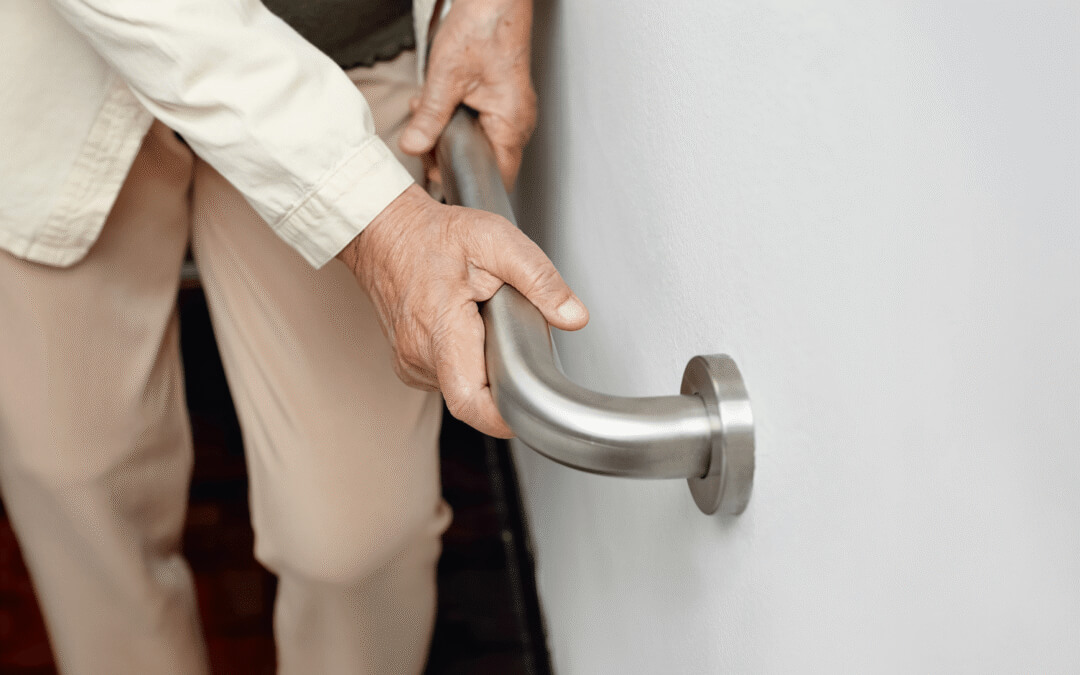
Mount sturdy, double-sided handrails along all staircases, install grab bars on walls, and apply texturized adhesive sheets or other non-slip mats beneath any smooth surface to prevent slipping.

Taking these immediate, defensive steps drastically limits structural balance traps. These common-sense adjustments are excellent home safety tips for seniors that families can implement over a single weekend.

Securing walking paths reduces the daily cognitive and physical fatigue associated with navigating an unorganized layout, preserving your loved one’s personal freedom.

Make the Bathroom Safer and More Accessible

Slick surfaces and tight layouts make bathrooms one of the highest-risk areas in any house. Upgrading this single room is a cornerstone of comprehensive elderly home safety.

Families should install commercial-grade grab bars securely anchored into wall studs near the toilet and inside the shower stall. To improve fall prevention for seniors, consider installing stable shower chairs, elevated toilet seats, walk-in bathtubs, and thick, rubber-backed bathmats.

These accessible alterations can reduce slipping hazards, allowing seniors to maintain their personal hygiene routines with safety and privacy.

Improve Lighting and Visibility Throughout the Home

Declining vision makes it increasingly difficult for older adults to discern sudden changes in floor levels, hidden obstacles, or fluid spills. Bright, glare-free lighting is an excellent home safety tip that dramatically limits accidental falls.

All dimly lit hallways, staircases, basements, and exterior entryways should feature high-output LED bulbs. Placing responsive motion-sensor lighting and automatic nightlights along bedroom-to-bathroom path lines provides exceptional visibility during midnight hours with well-lit options that don’t require them to turn on light switches.

Strong illumination eliminates dark shadows, guiding your loved one safely through their home.

Organize Medications and Practice Emergency Preparedness

Sustaining a secure home environment calls for a structured approach to medical routines and personal communication networks.

Managing multiple daily prescriptions requires absolute accuracy to prevent accidental dosing errors or dangerous drug interactions. Automated medication organizers and digital reminder systems can streamline these routines.

Furthermore, elderly home safety plans should include visible emergency contact sheets placed next to every phone and on the refrigerator. Families can also invest in wearable emergency response devices and smart home devices to establish a dedicated communication protocol, so backup help is always within reach.

How In-Home Care Can Support a Safer Home Environment

While structural adjustments build a safer physical baseline, having professional personal support provides an extra layer of protection. Specialized in-home care provides your parents with continuous, expert supervision customized to their unique routine and daily living preferences.

Professional caregivers are trained to actively identify and neutralize emerging environmental hazards, such as unmoored items or hidden spills of flammable materials. Beyond assessing the layout, a caregiver assists with delicate mobility transfers, provides necessary medication reminders, and manages light housekeeping duties.

This compassionate, daily oversight helps older adults maintain their independence, giving family members complete peace of mind.

Create a Safe Environment with New Estuary Home Care

Creating a safer home environment involves clearing away tripping hazards, updating bathrooms, improving lighting, and organizing medical supplies. Implementing these modest home alterations makes a massive difference in preventing injuries.

Routinely evaluating your loved one’s living space and utilizing professional in-home care creates a secure path for successful aging in place.

At New Estuary Home Care, we know that nothing is more important than family. We provide only the best in-home care that your parents deserve to age in their own home. Please contact us today to learn more.

Frequently Asked Questions About Senior Home Safety Tips

What are the most important senior home safety improvements?

The most critical updates focus on high-risk locations. Priorities include removing trip hazards such as rugs, installing heavy-duty bathroom grab bars, adding bright motion-sensor lighting in corridors, and integrating non-slip step textures.

How can families reduce fall risks for aging parents?

Families can reduce risks by clearing walkways of cords and clutter, securing loose carpets, mounting continuous handrails, using stability tools such as shower chairs, and arranging professional mobility assistance.

Why is proper lighting important for elderly people?

Aging eyes need more illumination to navigate spaces safely. High-quality, clear lighting improves depth perception and reveals hidden floor obstacles, reducing missteps and nighttime falls.

How does in-home care support senior home security and safety?

Caregivers offer active safety monitoring, assist with transferring and walking, clean up clutter, and provide reliable medication reminders, reducing common domestic risks.

Can home modifications help seniors age in place longer?

Yes. Modifying a home lowers injury risks and removes accessibility barriers, allowing older adults to live independently and comfortably in their homes for years.

How In-Home Care Helps Seniors Stay Safe and Comfortable During the Summer

How In-Home Care Helps Seniors Stay Safe and Comfortable During the Summer

In coastal North Carolina, summer’s a special time. The beach beckons, outdoor activities abound, and there’s plenty to do all. For those enjoying their golden years, summer can be a lively season, but it does come with some safety concerns that get more pronounced as we age. For seniors seeking to maintain their independence as much as possible and age in place at home, there are some potential solutions to be found with in-home care services. The weather’s getting warmer and a long coastal summer lies ahead, so let’s learn a bit more about how in-home care helps seniors stay safe and comfortable during the summer months.

Key Takeaways:

  • A North Carolina summer can be a fun time for seniors, but care needs to be taken to ensure their safety
  • Hydration is key to enjoying the summer months at any age
  • Fun in the sun is great, but protection from the sun keeps it safe
  • An exciting summer schedule can be a break from the norm, but maintaining a regular schedule for rest, medications, and healthy meals is a must
  • Exercising safely in the summer is key to staying healthy through our golden years
  • Home care can help with all of the above, as in-home care providers can support each senior’s needs and goals.

Summer Safety Tips for Seniors

Let’s star by reviewing some general safety tips for seniors in the summertime. With so much to do, it’s easy to get distracted but by remembering and following some general guidelines for health and safety older folks can enjoy what summer has to offer in and around Wilmington while still taking care of themselves.

  • Hydrate—and stay hydrated! It’s very easy to forget to drink water over the course of a busy day, but while we’re out and about around town, at the beach, enjoying an outdoor activity with friends, or just working in the garden, we need to stay hydrated. Carrying a water bottle, stopping for regular hydration breaks, and making sure we’re doing it consistently can help seniors—and the rest of us—stay healthy and hydrated all summer long.
  • Protect yourself from the sun! Sunshine is a wonderful thing, and it’s good for our health in managed doses. While we’re enjoying time outside during the hot summer months that define the Cape Fear region, we should also ensure that we’re protected from the sun. Wear sunscreen, loose breathable clothing, a light breathable hat, and schedule some time in the shade in order to enjoy the summer while staying safe from sunburn, heat exhaustion, or worse!
  • Don’t forget self care routines even during exciting summer activities! Summer can be a great time to get outside, try new things, attend events, or just spend a day at the beach. All of these things can be fun, but they can also make it difficult to stay on schedule with things like healthy meals, needed medications, and a regular sleep schedule. By staying on track with the basics of self care and health care, we can ensure that summer is a safe experience for ourselves and the seniors in our lives.
  • Get good exercise—and do it safely! As with other forms of self care, staying on track with exercise and physical therapy routines can help seniors stay healthy and mobile through the summer months while still enjoying the activities and opportunities unique to the season. Heat and sun can make exercise a bit more complicated than the temperate months, so adjust exercise routines accordingly for both safety and best results.

As always consult with your physician about your unique health needs, or those of a senior in your life. Now that we have some good ideas for senior safety in the summer season, where does in-home care appear and what role can it play? Let’s learn a bit more.

In-Home Care for Summertime and Beyond

The goal of a top quality in-home care service is to meet every senior client where they’re at and provide them with the support they need to live their best lives. During the summer, this means prioritizing health and safety while ensuring that active seniors can live their best lives throughout the season. In-home care providers can help with medication schedules and light housework. They can ensure that seniors are eating and hydrating appropriately as the weather gets warmer. In-home care providers also assist with activities outside the home, ensuring that seniors can enjoy time with friends, explore new interest, and participate in the many outside activities summer around Wilmington offers. For seniors, this can be a liberating, empowering experience and help them feel connected to the community and their social circles while still enjoying the comforts of aging at home. For safety, for comfort, and for active living, summertime in-home care is a real blessing to seniors!

New Estuary Home Care: Keeping Seniors Healthy and Happy All Year Round

As a locally owned business, New Estuary Home Care knows how magical summer can be across the lower Cape Fear. Across the four counties in our service area, there’s so much to do in the summer and so many opportunities for seniors to enjoy themselves. We’re here year-round to help seniors and the families live their best lives by providing high quality and personalized in-home care services throughout Onslow, Pender, New Hanover, and Brunswick Counties. If the time has come to consider an in-home care service for yourself or a senior in your life, get in touch today and we’ll discuss your options for aging in place and how New Estuary Home Care can help.

Top 10 Fall Prevention Tips for Seniors Living at Home

Top 10 Fall Prevention Tips for Seniors Living at Home

One small change, like removing a throw rug or adding a grab bar, can mean the difference between a quiet evening at home and a trip to the ER.

If you’ve noticed a loved one reaching for furniture to steady themselves, hesitating on the stairs, or shuffling through dim hallways, now is the time to act.

Falls at home are a leading concern for older adults in North Carolina and across the country. Each year, the Centers for Disease Control reports that about 3 million emergency department visits occur due to older people’s falls.

The encouraging news: Many of these falls never have to happen. With practical adjustments to the home and a few steady habits, families can cut the risk in a big way and help aging loved ones stay where they’re happiest: at home.

Proactive steps help seniors stay independent, confident, and active in familiar surroundings. When families stay alert to changes in walking, balance, or vision, loved ones enjoy more good days and fewer worries about sudden setbacks or serious injuries.

Here are ten hands-on fall prevention tips every North Carolina family should consider when supporting aging parents or relatives.

1. Remove Tripping Hazards Around the Home

Loose rugs, curled edges of mats, cords, and general clutter cause countless falls. Start with walkways, including hallways, kitchen paths, bedroom routes, and the space between the bed and bathroom. Secure or remove area rugs, tape down edges, and move cords behind furniture.

Rearrange furniture to open wider walking lanes so walkers and mobility aids move freely. Pick up small items (shoes, pet toys, baskets, magazines) that tend to collect on floors and stairs.

Spot-level changes matter: If one room drops to another (for example, tile to hardwood or sunken living room transitions), mark the edge with contrasting tape or a low-profile transition strip. Level uneven thresholds where possible for a simpler, safer floor plan.

2. Improve Lighting in Key Areas

Dim lighting hides hazards. Swap in brighter, long‑life bulbs, especially in entryways, hallways, stairwells, the kitchen, and bathrooms. Use night lights that switch on automatically after dark so seniors never walk through a dark hallway to the bathroom.

For those with limited mobility, place night lights with motion sensors in hallways to cut down on nighttime stumbles. Consistent, glare‑free lighting helps seniors see thresholds, spills, and other leading causes of falls before a foot catches them.

3. Install Grab Bars and Non-Slip Mats in Bathrooms

Bathrooms combine water, hard surfaces, and tight spaces—prime conditions for a fall, especially for seniors who live independently. Install sturdy, weight‑rated grab bars near the toilet and inside the shower or tub. (Note: Towel bars are not a safe part of any fall prevention plan.)

Place non‑slip mats or adhesive strips both inside the tub/shower and on the floor just outside the wet area. A shower chair or transfer bench adds stability for those who tire easily or have limited balance.

Most of these items are available through local hardware stores, medical supply shops, or through your home care provider. A few simple bathroom upgrades can prevent some of the most serious fall injuries.

4. Avoid Step Stools and Ladders

Reaching overhead is a major fall trigger. Move everyday items (such as dishes, medications, towels, and grooming items) to waist or shoulder height. Use lower shelves, rolling carts, or countertop baskets for daily essentials.

If something is stored high, ask for help rather than reaching, climbing, or balancing on a chair. Make it a house rule: no step stools or ladders for anyone at fall risk.

5. Encourage Supportive Footwear

Good shoes = better footing, and the reverse is just as true. Recent studies have indicated that a large percentage of older adults (72%) wear ill-fitting shoes.

Even more concerningly, the percentage of those who experienced a fall in the previous 6 months was higher among those wearing ill-fitting footwear than those wearing correctly fitting shoes on at least one foot.

Encourage closed‑toe, low‑heel shoes with non‑slip rubber soles and secure fastening (laces, Velcro®, or strap). Avoid backless slippers, loose sandals, or walking in socks on hard floors.

Gentle reminders help this habit stick. Keep a “go‑to” pair by the bed and another at the main door. Supportive footwear is a daily layer of fall protection with every step.

6. Promote Daily Exercise for Strength and Balance

Gentle movement improves both strength and stability. Encourage regular physical activity such as short walks, tai chi, or simple chair yoga. These exercises boost muscle tone and balance, which lowers the chances of falling.

If possible, involve a caregiver or explore programs offered at local community centers or senior groups in your area. Physical therapists can recommend personalized exercises adjusted for specific abilities or medical conditions.

Over time, stronger bodies lead to fewer risk factors for falls and better overall health.

7. Review Medications with a Healthcare Provider

Some prescriptions and combinations of drugs can cause dizziness, drowsiness, blurred vision, or drops in blood pressure when standing. That’s a recipe for falls.

Set a recurring medication review (at least once a year, sooner if new meds are added). Ask: Are any of these making me light‑headed? Sleepy? Unsteady? Doctors and pharmacists can adjust timing, dosage, or alternatives when side effects raise fall risk.

Keep a written medication list at home and share it with caregivers so everyone is working from the same page.

8. Stay on Top of Vision and Hearing Checks

Balance depends on more than strong legs. If your loved one can’t clearly see a step or hear someone alerting them to a hazard, the risk of falling increases.

Additionally, the National Council on Aging reports that people with vision loss have almost twice the risk of falls as adults without vision impairment. People with hearing loss have nearly three times the risk of falling compared to those with normal hearing.

Make annual eye exams and hearing tests part of their routine care, especially if you’ve noticed changes in how they move or respond to their environment. Encourage them to wear their updated glasses, clean lenses regularly, and use hearing aids as prescribed.

Clearer vision and sharper hearing help older adults stay aware of their surroundings—and that awareness plays a big role in safer, steadier movement.

9. Keep Frequently Used Items Easily Accessible to Older Adults

Limit bending, twisting, and stretching. Place frequently used items—phone, glasses, remote, walker tips, reading materials, medications—at mid‑level shelves, bedside surfaces, or waist‑high drawers.

Label storage spots so things return to the same place. Consistent placement reduces risky reaching and makes the home easier to manage for both seniors and caregivers.

10. Consider a Professional Home Safety Assessment

Some hazards are easy to miss when you or your loved one lives with them every day. That’s where a trained eye helps.

At New Estuary Home Care, every new client relationship begins with a safety conversation, often including an in‑home review of fall risks. We look at flooring transitions, lighting, bathroom access, mobility aids, medication routines, and daily traffic patterns through Hampstead homes.

From there, we create a practical safety action list you can tackle in stages. Our registered nurses and care team can:

  • Recommend grab bars, ramps, seating, and adaptive equipment.
  • Identify medication side effects that may affect balance.
  • Coach safe transfers from bed, chair, or toilet.
  • Monitor changes in gait, cognition, or strength that raise fall risk.
  • Provide hands‑on support with bathing, dressing, and mobility when needed.

Families across the Cape Fear region turn to us for steady help that keeps loved ones safer at home. This can all be overwhelming, but our home care for seniors makes it feel easier.

Book a Fall Safety Consultation & Make Your Home Safer

Taking small, consistent steps today creates a much safer tomorrow. Each of these strategies helps prevent falls, protect independence, and improve quality of life for seniors across North Carolina.

Home care fills the gap between doctor visits and family drop‑ins, especially when mobility, memory, or medication changes increase the chance of a fall.

At New Estuary Home Care, we bring RN‑guided planning and compassionate caregivers to your doorstep. Through our at-home assessments, our health care providers also help spot risks early, put practical fixes in place, and provide daily support that lets loved ones age in place with confidence.

Contact us today to schedule a fall safety consultation and start building a safer home for your senior family member.