Fall Prevention Guide for Older Adults: A Practical Home Safety Guide for Families
Falls can affect an older adult’s confidence, independence, and ability to remain safely at home. At New Estuary Home Care, we created this practical guide to help older adults and families understand common fall risks, identify potential hazards around the home, and take thoughtful steps toward safer daily movement. It is educational information, not a substitute for advice from a healthcare professional.
Download the Printable Fall-Safety Home Checklist
Download the Printable Fall-Safety Home Checklist
Enter your name, email address, and phone number, then select Download Checklist. The checklist includes room-by-room prompts to help you note potential hazards and follow-up actions.
Get the Printable Fall-Safety Home Checklist
After you submit the form, you’ll be able to download the checklist, and we can also email you a copy so you can access it later. New Estuary Home Care will use the details you provide to send the checklist you requested and to respond to any questions about your request. Requesting the checklist does not sign you up for marketing, and we will not add you to ongoing marketing or promotional messages unless you choose that option separately. You can ask us to update or remove your details at any time.
A Practical Guide to Reducing Fall Risks
Has your mom started trailing a hand along the wall in the hallway? Does your dad brush off a stumble as nothing? Small changes like these can be early signs of balance or mobility issues. A simple misstep can lead to serious injury. We hear versions of this from families every week.
At New Estuary Home Care, we never want anyone to feel they have to slow down. Staying active is good for strength, balance, and mood, and that’s worth protecting.
The idea is simply to spot risks early and address them calmly, so confidence and mobility stay intact. Understanding what causes falls is a good place to start. Balance changes, certain medications, poor lighting, loose rugs, and everyday obstacles can all increase the risk. Knowing what to look for makes it easier to discuss concerns with a doctor and identify simple ways to make daily life safer.
A few changes around the house and some everyday habits can make a real difference. There are practical steps families can take without making a loved one feel they’re losing independence.
As a family-owned agency, we also see how in-home care can offer additional support when daily routines become more challenging.
This home safety guide for families covers these practical steps and helps make conversations about fall prevention a little easier. We put it together to help families across the Cape Fear region feel more confident about where to start.
Why Preventing Falls Becomes More Important With Age
Falls deserve attention even when they don’t cause an obvious injury. But the fact is, more than 14 million older adults report a fall each year (about one in four), making them the leading cause of injury for adults 65 and older.
Whether it’s a stumble, a moment of dizziness when standing, or a near-fall caught on a handrail, they’re all worth noticing. These events can be early signals that something has changed, like balance, strength, medication effects, or the environment.
Beyond physical injury, falls can affect confidence. After a fall or a close call, some older adults begin to limit their activity out of fear of falling again. While caution is understandable, moving too little can weaken the strength and balance that help prevent falls in the first place.
That’s why our goal is not to restrict life. It’s to identify risks and support independence, so an older adult can keep doing what matters to them, more safely.
Common Fall Risk Factors
Many different things can affect how steady a person feels on their feet. Understanding these factors helps families know what to watch for and what concerns to raise with a clinician. Common fall risk factors include:
- Previous falls: A past fall or near-fall is one of the clearest signals that steadiness may need attention.
- Changes in balance or strength: Reduced leg strength or shifts in balance can make everyday movement less secure.
- Mobility difficulties: Trouble walking, rising from a chair, or managing stairs can increase risk.
- Chronic conditions: Conditions affecting the heart, circulation, nervous system, joints, or blood sugar may influence balance and energy.
- Pain: Ongoing pain can change how a person moves, shifts weight, or hurries through an uncomfortable task.
- Foot problems: Sore feet, numbness, or unsupportive footwear can all affect stability.
- Vision or hearing changes: Difficulty seeing edges, steps, or obstacles, or trouble sensing surroundings, can contribute to falls.
- Medication side effects: Some medicines, or combinations of them, can cause dizziness, drowsiness, or low blood pressure.
- Home or outdoor hazards: Clutter, poor lighting, loose rugs, wet floors, and uneven paths are frequent contributors.
These factors rarely act alone. Sometimes, your loved one’s new medication may also cause mild vision changes. Add to this a slippery bathroom floor, and together those create more risk than any one alone.
That’s exactly why early attention is valuable. Because every person’s health is different, concerns like new dizziness, weakness, or a recent fall should be discussed with a healthcare professional who knows their medical history.
Start with a Conversation and a Personal Review
Reducing fall risks often begins with an honest conversation with your loved one, family members, and a healthcare professional. Preparing a few questions in advance can make an appointment far more productive. Consider asking these:
- Previous falls and near-falls: Have there been any recent falls, trips, or close calls, even ones that seemed minor?
- Dizziness: Is there any lightheadedness, especially when standing up or turning quickly?
- Walking or balance changes: Has walking become slower, more unsteady, or more tiring?
- Vision: When was vision last checked, and are glasses up to date?
- Footwear: Are everyday shoes and slippers supportive and well-fitting?
- Mobility aids: Is a cane or walker being used, and does it fit and function well?
- Medications: Could any current medicines, or combinations of them, be contributing to dizziness or drowsiness?
We suggest keeping a simple record of when and where any fall or near-fall happened, what the person was doing, and how they felt before and after.
You can use free fall-prevention brochures and self-assessments (for your loved one) to help structure the discussion with a clinician. Bringing an up-to-date list of all medications, including over-the-counter products and supplements, gives your clinician a clearer picture.
One important note: Medications should never be stopped or changed without advice from the prescriber. If you suspect a medicine is affecting balance, raise it with the doctor or pharmacist, so any changes can be made safely.
Room-by-Room Home Safety Check
It’s good for your loved one to age in place. However, you need to run a calm, room-by-room home safety check to reduce fall risks first. We want to help you notice potential hazards and plan realistic next steps.
However, the right change depends on the person and the home, and what helps one household may be unnecessary in another.
Entryways and Stairs
Entryways and stairs are high-traffic, higher-risk areas. Look for steps that are cluttered or hard to see, and clear anything that blocks a safe path.
Check that handrails are secure and ideally present on both sides of a staircase. Improve lighting with brighter bulbs or switches at the top and bottom, since shadowy stairwells make edges hard to judge.
Also look for slippery or uneven surfaces, such as worn stair treads, loose mats, or a threshold that catches a toe. Repair loose rails or add non-slip strips, with professional help for structural work.
Hallways and Living Areas
These spaces often collect clutter without anyone noticing. Keep walkways clear of stray items, bags, and low furniture that’s easy to trip over. Secure or remove loose cords that cross paths.
Loose or curling rugs are a common hazard. Depending on the person, a rug may be best removed, replaced, or firmly secured with non-slip backing.
Arrange furniture so there’s a clear, wide path through the room. Keep frequently used items, such as the remote, phone, and glasses, within easy reach so there’s no need to stretch or hurry.
Bathroom
Bathrooms combine wet surfaces with movements that challenge balance. Wet tile and the edge of a tub can be slippery, so consider non-slip mats inside and outside the bathing area.
Getting in and out of a tub or shower, or on and off the toilet, can be difficult. Supports such as grab bars or a shower seat may help.
Grab bars should be anchored into the wall structure, so professional installation is often the safest route. Towel rails are not a substitute. The right supports depend on the person’s mobility and the bathroom layout.
Bedroom and Nighttime Route
Falls often happen at night on the way to the bathroom. Make sure the path from bed to bathroom is clear and easy to follow.
Accessible lighting is key. For example, a bedside lamp within reach, a lit path, or night lights can prevent fumbling in the dark.
Keep glasses, a phone, and water within reach of the bed so the person isn’t tempted to get up quickly or stretch awkwardly. If getting in and out of bed is difficult, mention it to a clinician.
Kitchen
In the kitchen, the goal is safe access to everyday items without climbing or overreaching. Store frequently used dishes, pans, and foods within comfortable reach, so there’s no need for a step stool.
Clean up spills promptly, since even a small wet patch on a hard floor is a risk. Encourage taking time with tasks rather than rushing between the stove, sink, and table.
Outdoor Paths and Steps
Outdoor areas add weather and uneven ground to the mix. Check paths, driveways, and steps for cracks, raised edges, and loose surfaces, and clear obstacles such as hoses, tools, and leaves.
Make sure lighting shows steps and path edges after dark, and confirm that outdoor handrails are secure. Rain, ice, or wet leaves call for extra caution, and some households may want help during difficult weather.
If your loved one lives in a coastal area, be sure to check on them, especially before a storm, since storm debris and wet surfaces add to outdoor fall risks.
For each area, follow the same approach → identify the concern → plan one realistic next step → seek professional advice when mobility issues, structural changes, or major hazards are involved. Most importantly, avoid assuming one modification will suit everyone.
Everyday Habits That Support Safer Movement
Small daily habits can make a real difference to balance and stability. Well-fitting footwear is a good place to start.
Supportive shoes with firm, non-slip soles and secure closures are generally safer than loose slippers, socks on smooth floors, or worn-out shoes.
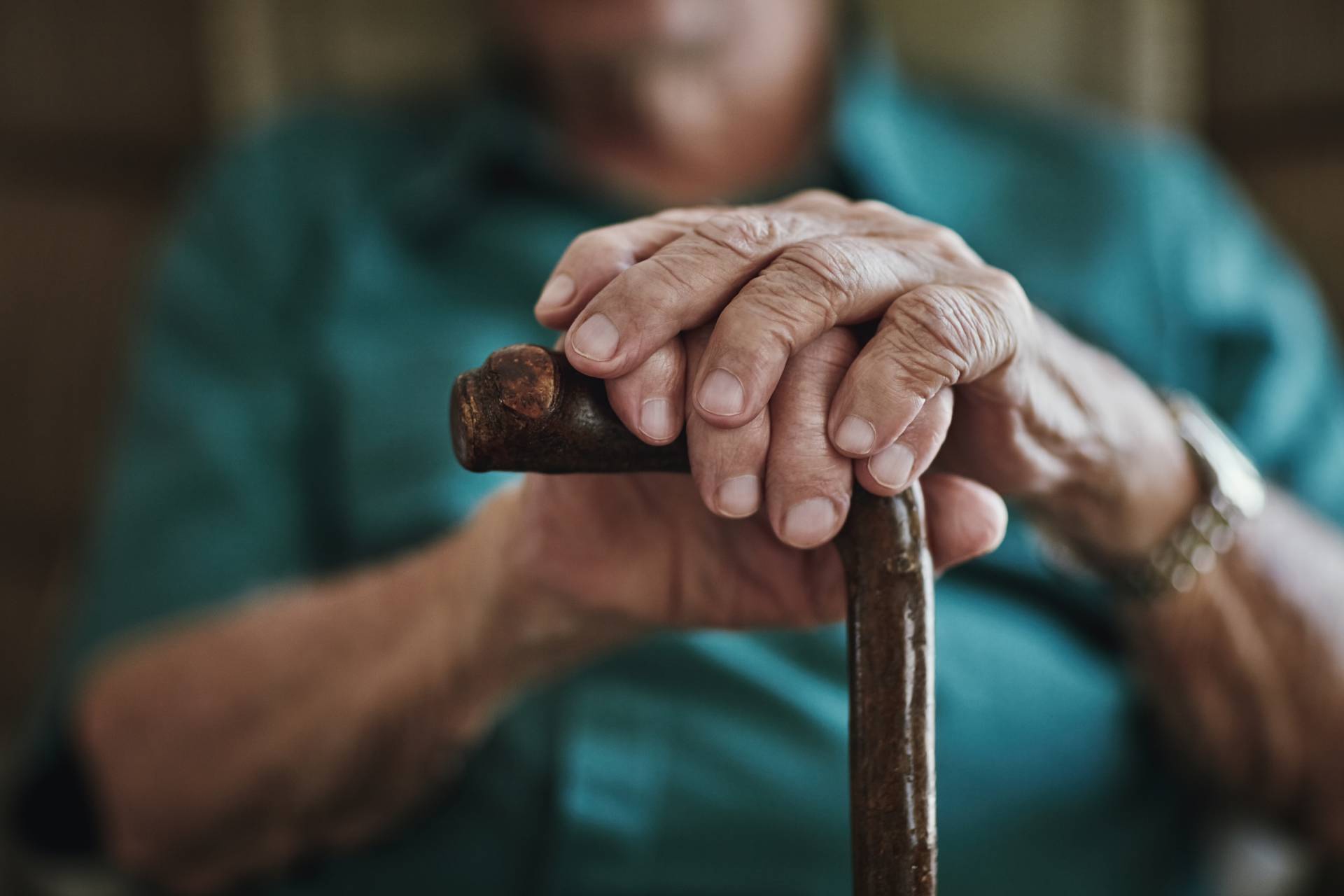
If a cane, walker, or other mobility aid has been prescribed, use it regularly and keep it in good condition. An aid left in another room won’t help when it’s needed.
Keeping everyday items within easy reach can reduce the need to climb, stretch, or hurry. Store frequently used items at a comfortable height. It’s also important to take time when changing positions:
- Stand up slowly from a bed or chair
- Pause for a moment before walking
- Move carefully through doorways and narrow spaces rather than rushing
Staying active helps maintain strength and balance, both of which play an important role in preventing falls. However, the right activities depend on each person’s abilities and health.
Ask a healthcare professional which strength and balance exercises are suitable, especially after a fall or if the person has pain, dizziness, or other health concerns. A clinician or physical therapist can suggest the right activities.
We haven’t offered one exercise routine in this fall prevention guide for older adults, because what is safe and helpful varies from person to person. Instead, you should consult your loved one’s healthcare provider to create a personalized exercise routine.
Supporting a Loved One While Respecting Independence
Supporting a loved one on fall safety can be delicate. The most helpful approach avoids blame and keeps the older adult at the center of every decision.
Rather than listing what someone “can’t” do, share what you’ve noticed and ask how they feel about it. A comment like, “I noticed the hallway rug slipped the other day. Would it help to secure it?” invites collaboration.
If a parent insists everything is fine, talking with them about accepting help can be a good way to start the conversation. It also helps to pay attention to small changes in everyday behavior, such as:
- Losing confidence when using stairs
- Walking more slowly or carefully
- Changes in daily routines
- Mentioning a stumble or near-fall
These are signs worth discussing, not criticizing. If changes are needed, involve the older adult in choosing the solution, whether it’s a grab bar, better lighting, or a doctor visit.
That way, they continue to feel in control of their home and daily life.
The aim is always to preserve confidence and independence rather than unnecessarily restrict movement. Overprotecting can lead to less activity, weaker muscles, and lower confidence, the very things that increase fall risk.
We believe the best support helps your loved one keep doing what matters to them, more safely and with their dignity intact.
What to Do After a Fall
If a fall happens, the first step is to stay calm and check for immediate danger to both the person who fell and anyone helping. Take a moment to assess the situation before acting.
Seek emergency help if the person has severe pain, a possible broken bone, a head injury, heavy bleeding, confusion, chest pain, or difficulty breathing or moving.
Avoid moving them if a serious injury is suspected, unless they are in immediate danger. If in doubt, call 911 and follow the dispatcher’s instructions.
Even without visible injuries, report the fall to a healthcare professional, as it may point to an underlying issue such as medication effects, blood pressure changes, or balance problems.
We recommend jotting down a few details to share with the healthcare professional:
- The time and location of the fall
- What the person was doing
- How they felt before and after the fall
Note: This section offers general educational guidance only. It is not a substitute for medical advice or emergency care. In an emergency, always contact local emergency services.
How Home-Care Support May Help
If your family needs extra support to help an older loved one stay safe and independent at home, in-home care may be worth considering.
For some families, in-home support adds an extra layer of safety and reassurance. Our caregivers can help with everyday routines, such as moving safely around the home and managing daily tasks.
They can also notice changes in a person’s needs, confidence, or mobility and bring them to the family’s attention.
At New Estuary Home Care, a family-owned agency providing home care in the Cape Fear region, fall and injury prevention support is built around each person’s needs. We serve older adults across New Hanover, Brunswick, Pender, and Onslow Counties.
New Estuary Home Care also accepts VA benefits and participates in the GUIDE Program.
We begin with a complimentary in-home assessment by a Registered Nurse, including a home safety inspection and a customized care plan based on the person’s needs and preferences, and we involve the family throughout.
Contact our team today to discuss care options for your loved one.
Frequently Asked Questions
1. Are falls a normal part of aging?
Falls become more common with age, but they are not an inevitable or “normal” part of getting older. Many falls are linked to factors that can be addressed, such as medication effects, vision changes, balance issues, or home hazards.
Noticing and acting on these factors can meaningfully reduce the risk. A fall or near-fall is always worth discussing with a healthcare professional.
2. Should every rug be removed?
Not necessarily. Loose or curling rugs are a common tripping hazard, but the right action depends on the rug, the floor, and the person. Some rugs are best removed, while others can be made safer with non-slip backing or by securing them to the floor. Consider how the person moves through the space and whether the rug ever shifts or catches underfoot.
3. Who should review medications?
A doctor or pharmacist should review medications, including over-the-counter products and supplements. Some medicines can cause dizziness or drowsiness that affects balance. Bring an up-to-date list to appointments, and never stop or change a medication without advice from the prescriber.
4. What if my loved one is afraid of falling?
Fear of falling is common and understandable, but avoiding activity altogether can weaken the strength and balance that help prevent falls. Your healthcare provider can suggest appropriate, confidence-building strength and balance activities, and small home-safety improvements can help restore a sense of security. Supportive, collaborative conversations tend to work better than pressure.
5. Should we contact a healthcare professional after a fall without an obvious injury?
Yes, even without an obvious injury, a fall can signal an underlying issue worth investigating, such as a medication effect, blood pressure change, or balance problem. Report the fall to a healthcare provider and record what happened so they have the full picture.
Get Your Free Fall-Safety Home Checklist
Ready to put this guide into action? Download the printable Fall-Safety Home Checklist to carry out your own room-by-room review and record follow-up steps.
Enter your name, email address, and phone number, then select Download Checklist. We’ll use your details only to send the checklist you requested and to respond to your request. We will not add you to marketing messages unless you choose that option separately.
If you’d like to talk about safer living at home in the Cape Fear region, we offer a complimentary in-home assessment and home safety inspection by a Registered Nurse.
Call us at (910) 541-1160 to get started.
Sources and Review Information
This guide draws on resources from the Centers for Disease Control and Prevention (CDC), including its older adult fall statistics and STEADI fall prevention resources. These sources provide information on fall risk factors, home safety, and prevention strategies.
Sources: