
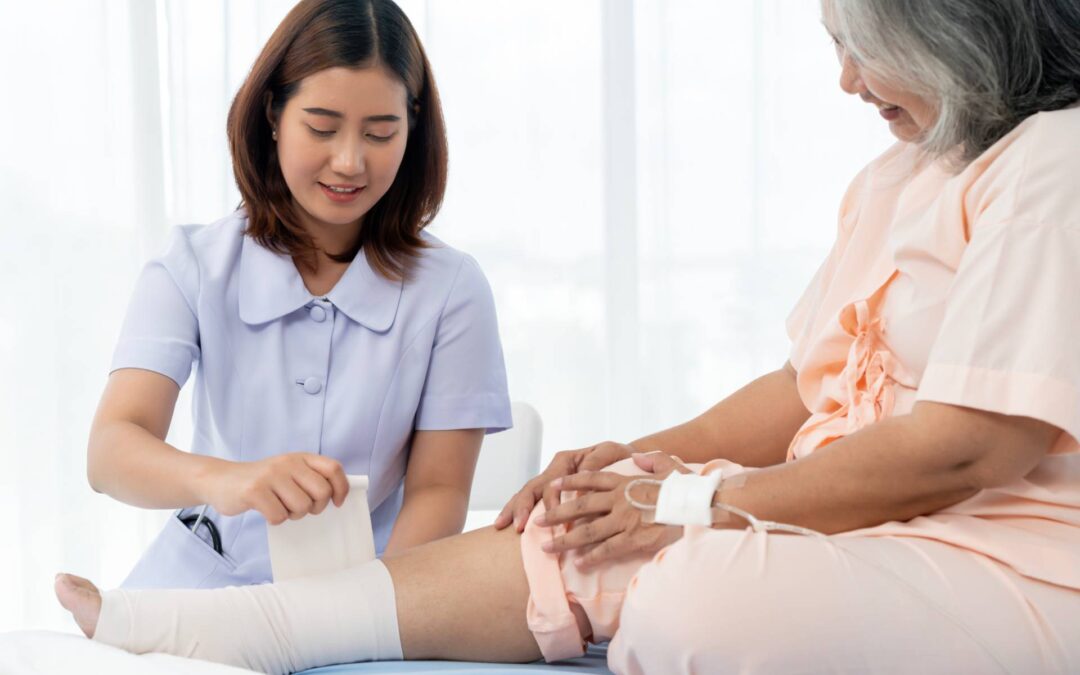
The hospital discharge papers are signed, and responsibility suddenly shifts. A loved one who seemed stable in a monitored room is now back home with limited mobility and instructions that feel overwhelming.
That first stretch after hospital discharge can feel far more fragile than anyone expected.
National data show that about 13% of patients return to the hospital within 30 days of discharge, highlighting how common hospital readmissions can be during recovery. Even small complications, medication errors, or falls can quickly reverse progress made in the hospital.
Post-hospital care that families in Wilmington, NC, rely on provides a structured plan during this vulnerable window. With the right recovery care at home, Wilmington residents can avoid preventable complications and regain strength safely.
What you’ll learn in this guide:
- Why the first weeks after discharge carry a higher risk
- What post-surgery care in Wilmington, NC actually includes
- Who benefits most from home care after surgery in Wilmington
- How recovery care at home in Wilmington reduces readmission risk
Why Recovery After Discharge Is a Vulnerable Period
The ride home from the hospital can feel hopeful and fragile at once. Discharge signals progress, yet the safety net of medical professionals and monitors disappears overnight.
What seemed manageable inside a hospital room can suddenly feel very complicated in a living room.
Physical and Medical Challenges After Surgery
Recovery rarely moves in a straight line. Muscles weaken quickly after even a short hospital stay, and simple movements can feel surprisingly unstable. Pain also fluctuates, making it difficult to judge how much activity is too much.
Medication changes create real risk during early recovery. New prescriptions and revised instructions can blur together once the hospital routine ends. Post-surgery care in Wilmington often focuses on keeping those details organized and consistent.
Emotional and Cognitive Strain During Recovery
Healing is not only physical. Confidence dips when balance feels uncertain, and strength returns slowly. Even active older adults may hesitate to stand or walk alone.
Days can grow quieter than expected. Without regular interaction and emotional support, isolation creeps in and motivation drops. After surgery, home care Wilmington families trust brings a steady presence during that adjustment to improve overall well-being.
What Is Post-Hospitalization Home Care?
Many people picture medical equipment and clinical visits when they hear “home care.” In reality, the support that prevents setbacks is often practical and hands-on. Post-hospital care providers in Wilmington, NC, focus on the details that make daily life safe again in familiar surroundings.
Daily Living Support That Protects Recovery
Getting dressed after surgery can feel like a workout. A steady hand during bathing or grooming reduces strain while protecting healing areas. With in-home care in place, seniors conserve energy for recovery rather than for routine daily tasks.
Food and hydration influence recovery more than many realize. Appetite may fade, yet the body still requires steady nourishment to rebuild strength. Recovery care at home helps keep those routines intact when energy runs low.
Mobility, Safety, and Fall Prevention
A familiar hallway can suddenly feel unfamiliar. Steps that once required no thought now demand balance and patience. Professional caregivers guide movement carefully, encouraging progress without pushing beyond limits.
They also notice subtle changes in the patient’s condition that others might overlook. A slower step, a deeper breath, or a skipped meal can signal something worth paying attention to. Early awareness by the care team protects momentum.
Who Benefits from After-Surgery Home Care in Wilmington
Recovery timelines vary more than discharge papers suggest. Some patients regain independence quickly, while others take weeks to rebuild their strength. Wilmington’s growing retiree community often finds itself navigating this transition unexpectedly.
Common Procedures That Require Extra Support
Joint replacements challenge balance and stamina. Cardiac procedures, like recovering from a heart attack, demand careful pacing and disciplined medication management. Stroke recovery requires supervision as coordination gradually returns.
Abdominal or major surgeries can leave even strong adults depleted. Post-surgery care that thoughtful Wilmington, NC, families arrange during this stage bridges the gap between hospital and full independence. That bridge reduces strain on every family member involved.
Seniors Managing Chronic Health Conditions
Chronic illness complicates what might otherwise be a straightforward recovery process. Health conditions like diabetes or heart disease require monitoring that extends beyond surgical healing. A minor shift can escalate without notice.
Recovery care at home for Wilmington seniors often centers on maintaining stability across multiple conditions. Daily observation adds another layer of protection. Consistency becomes the difference between steady progress and sudden setbacks.
Key Services Included in Post-Surgery Care
Families want clarity. Understanding what support looks like day to day removes uncertainty. Quality post-hospital care providers in Wilmington, NC, deliver practical assistance that fits real life.
1. Personal Care Support
Bathing and dressing become more demanding after surgery. A caregiver’s presence turns those moments from risky to manageable. Hygiene stays intact without draining precious energy.
Beyond the task itself, there is dignity to protect. Quiet encouragement and patience matter just as much as technique. Personal care support restores both confidence and comfort.
2. Mobility and Fall Prevention
A familiar hallway can suddenly feel unfamiliar. Steps that once required no thought now demand balance and patience. According to the CDC, one in four adults age 65 and older falls each year, making fall prevention a central concern during recovery at home.
Professional caregivers guide movement carefully, encouraging progress without pushing beyond limits. They also notice subtle changes in balance or strength that others might overlook. Early awareness protects momentum.
3. Medication and Appointment Support
Medication schedules can quickly grow confusing. A caregiver maintains consistent timing and tracks changes introduced at hospital discharge. That structure reduces the risk of medication errors.
Follow-up appointments also carry weight. Reliable transportation and scheduling support keep recovery on track. After surgery, home care for Wilmington residents often revolves around that dependable coordination for medical appointments.
4. Household and Nutritional Assistance
Even ordinary chores can feel overwhelming after a hospital stay. Laundry piles up, dishes stack, and fatigue sets in faster than expected. With light housekeeping and meal services handled, energy stays focused on healing.
Meals deserve equal attention. Balanced food and steady hydration support tissue repair and stable energy levels. When daily routines feel manageable, a full recovery feels possible.
| Service Category | What It Covers | Why It Matters During Recovery |
| Personal Care | Bathing, dressing, and toileting | Maintains safety and hygiene |
| Mobility Support | Transfers, walking | Reduces fall risk |
| Medication Support | Reminders, coordination | Prevents dosing errors |
| Household Help | Healthy meals, light chores | Conserves strength |
How Post-Hospital Home Care Reduces Readmission Risk
Preventing hospital readmissions rarely depends on one dramatic action. Instead, it comes down to steady attention and daily consistency. Small gaps in medical care can quickly widen without the right support.
Monitoring and Early Warning Signs
Changes in appetite, swelling, or confusion may appear subtle at first. A caregiver who sees those shifts early can raise concerns before they escalate. That vigilance adds protection between follow-ups with healthcare professionals.
With structured post-hospital care, that continuity becomes part of the daily routine. Observation is steady and purposeful rather than incidental. Over time, that consistency supports a stronger and more stable recovery.
Supporting Discharge Instructions and Nutrition
Discharge planning instructions rarely read as simply as they sound. Movement limits and dietary guidance compete for attention during an already tiring time. A caregiver helps weave new instructions into daily routines that feel manageable.
Nutrition also plays an underestimated but decisive role. When healthy meals and fluids stay consistent, strength returns more steadily. Recovery home care for Wilmington families depends on keeping those habits from unraveling.
Recovery at Home vs. Extended Facility Stays
Families sometimes debate whether to extend a stay in a skilled nursing facility. Structured environments offer oversight, yet they lack the familiarity of home. That contrast shapes both comfort and motivation.
Comfort and Emotional Stability
Resting in a familiar bedroom brings a different kind of calm. Seniors often sleep better surrounded by their own belongings. Emotional stability grows when surroundings feel known.
Lower stress supports physical recovery. Family presence adds reassurance that many hospitals and facilities cannot always provide. After surgery, the home care Wilmington families choose reflects that reality.
Personalized Attention and Flexibility
Home care services provide truly individualized attention. Schedules adjust to personal rhythms rather than institutional routines. Flexibility is implemented to reduce frustration during an already demanding recovery process.
Communication also becomes more direct. Families stay involved in daily decisions and adjustments. Recovery care at home only strengthens the partnership.
Choosing the Right Post-Hospital Care Provider in Wilmington
Not all home care services approach recovery with the same depth. Experience and communication shape outcomes. Families benefit from carefully considering their options.
Licensing, Experience, and Care Planning
Licensed providers operate under state oversight, which adds accountability. Experience with post-surgery care situations builds practical understanding. A thoughtful care program should feel specific rather than generic.
Details matter a great deal here. Clear roles, expectations, and communication plans create stability. Preparation prevents confusion for your loved one.
Local Knowledge and Flexible Scheduling
Agencies familiar with Wilmington hospitals coordinate transitions more smoothly. Established relationships with discharge planners can speed arrangements when timing is tight. That familiarity reduces friction during an already stressful transition.
Recovery rarely follows a fixed timeline. Flexible scheduling allows support to expand or taper as strength returns. Post-hospital care that Wilmington, NC families arrange should adapt without disruption.
When to Arrange Post-Surgery Home Care
The best time to arrange support is before hospital discharge, not after problems surface at home. Coordinating with discharge planners ensures care begins the moment a loved one walks through the door. Early planning reduces gaps, confusion, and unnecessary stress during a fragile transition.
Some families need short-term assistance for a few weeks, while others discover recovery takes longer than expected. Having flexible support in place makes it easier to adjust as strength returns or complications arise. Thoughtful preparation turns what could feel reactive into something manageable.
Let Home Become the Healing Place
Recovery does not end when the hospital doors close. The first days at home often shape how smoothly strength returns and confidence rebuilds. Thoughtful support during that stretch can steady the entire healing process and reduce stress.
At New Estuary Home Care, we provide the post-hospital care that Wilmington, NC, families rely on. Our professional caregivers build recovery care at home around real routines, not generic plans. That steady presence helps seniors regain independence without compromising safety.
If someone you love is preparing to come home after surgery or hospitalization, now is the time to plan for a safer recovery. We proudly serve Wilmington and surrounding communities with compassionate, responsive support.
Contact us now to schedule your consultation and put the right care in place.