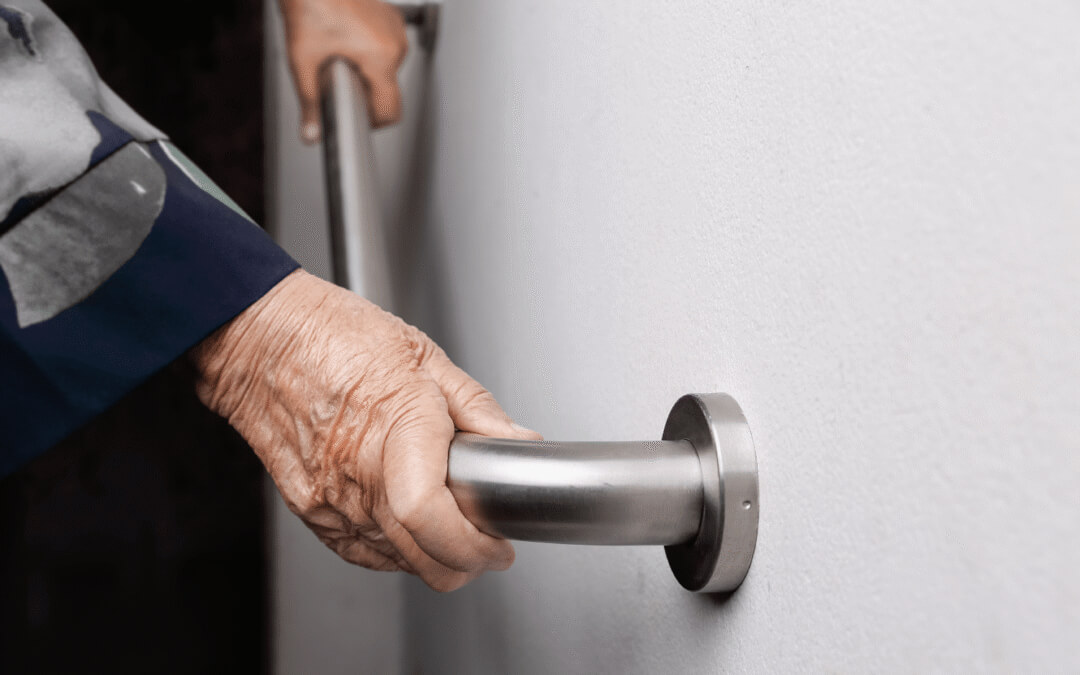

Post-Surgery Recovery Care at Home: Why Professional Care Makes a Difference

Post-Surgery Recovery Care at Home: Why Professional Care Makes a Difference

The hospital doors close behind you, and you breathe a sigh of relief. You’re going home!

Yet that moment also comes with quiet questions: Will I manage the stairs alone? Who will notice if something goes wrong? Recovery is a physical healing, and you’re preparing for the many small transitions back into everyday life.

Seniors face higher risks after a surgical procedure: complications, reduced mobility, and readmission are all real concerns. Research from the Centers for Medicare & Medicaid Services found that patients recovering at home after joint replacement surgery had fewer complications compared with traditional recovery paths.

For many families in Wilmington and across the Cape Fear region, recovering at home means comfort — and the right support means safety, independence, and peace of mind.

In this article, you’ll learn:

  • What at-home post-surgery recovery involves
  • Why professional home care makes a difference
  • Key services used in recovery at home
  • Practical tips for families handling care after surgery

What Is Post-Surgery Recovery at Home?

Post-surgery recovery at home allows seniors to heal in the comfort of their own surroundings after leaving a hospital or surgery center.

Instead of moving to a facility or making frequent, tiring trips for follow-up care, healthcare providers and support come directly to them. Everything happens right where daily routines and familiar spaces already exist.

Professional caregivers assist with significant parts of recovery, including safe mobility, medication reminders, and monitoring for signs of complications. They also help with everyday tasks like bathing, meal preparation, and light housekeeping — the things that become challenging when strength and energy are limited.

At-home post-surgery recovery focuses on more than physical needs. It supports comfort and a safer return to independence. Seniors regain strength while experiencing less stress, fewer disruptions, and more positive moments at home with family.

The Importance of Professional Home Care for Post-Surgery Recovery

The days and weeks after surgery are a sensitive time, especially for seniors. Tasks like standing, showering, or managing medications become more difficult, and even small mistakes can slow healing or lead to hospital readmission.

Professional home care provides the trained support needed to protect recovery and reduce risks.

Experienced caregivers know what warning signs to watch for, such as increased pain, changes in mobility, or reactions to medication. Early detection helps prevent complications that could require a return to the hospital. Safe mobility support also lowers the chance of falls, which are a leading cause of injury among older adults after surgery.

Just as important, professional care takes pressure off family caregivers. Instead of worrying about wound care or complicated instructions, families can focus on encouragement and emotional support. Knowing a trained professional is monitoring recovery allows everyone to feel more comfortable and at ease.

Home care for seniors post-surgery builds a stronger path forward. One where healing happens with reassurance, consistency, and the comfort of being home.

Benefits of At-Home Post-Surgery Recovery

Healing at home can make recovery feel less stressful and more comfortable. Seniors stay close to familiar routines and the people who matter most, which supports confidence and a more positive mindset.

With professional support in place, the home becomes a safe environment for regaining strength day by day.

Personalized Care and Attention

At-home care focuses entirely on one person’s recovery, not a busy hospital floor or shared facility schedule. Caregivers follow the specific instructions provided by healthcare teams while adapting to each senior’s comfort level and daily progress.

  • Care is customized to your loved one’s surgery, mobility, and goals
  • Adjustments are made quickly when needs change
  • Seniors don’t have to wait for help when they need it

Comfort in Familiar Surroundings

The home environment plays a powerful role in recovery. Sleeping in a familiar bed, enjoying favorite meals, and being surrounded by meaningful belongings reduce stress and encourage relaxation.

  • Less anxiety and confusion
  • Better sleep and improved mood
  • Smooth transition from hospital to home routines

Reduced Infection and Complication Risk

Hospitals might expose patients to new illnesses at a vulnerable time.

Recovering at home lowers that risk and can help prevent setbacks such as infections or dangerous falls. Those are two common reasons for hospital readmission after surgery.

  • More consistent monitoring of symptoms and incision sites
  • Trained help with medication routines
  • Safer mobility as strength returns

Emotional Support for Seniors and Families

Recovering at home keeps family close, which encourages motivation and connection.

Professional caregivers also ease the worry and workload families often feel during recovery, offering steady reassurance throughout the healing process.

  • Caregiver stress is reduced
  • Seniors feel supported, not overwhelmed
  • Loved ones can focus on encouragement rather than medical tasks

Types of Post-Surgery Home Care Services

Professional post-surgery home care services offer different levels of support based on the type of operation, mobility needs, and doctor’s instructions.

Plans can be adjusted as strength returns. That means care always fits the current stage of recovery.

Personal Care Support

After surgery, everyday movements like standing, bathing, or dressing can feel unsteady or painful. Personal care ensures these tasks are completed safely, preventing falls while helping seniors maintain dignity and independence.

Gentle assistance allows recovery to happen confidently, without fear of injury.

Health and Medication Monitoring

Incisions, vital signs, pain levels, and medication timing all need consistent attention in the early stages of healing.

Trained caregivers watch for changes that might require medical follow-up, helping prevent complications and supporting a smoother recovery. This steady oversight keeps healing on the right track.

Meal Preparation and Nutrition

Proper nutrition plays a major role in tissue repair and restoring energy. Caregivers help prepare meals that meet dietary instructions.

That could mean high-protein options, soft foods after dental surgery, or heart-healthy plans for cardiac patients. Balanced meals make it easier to regain strength and mobility.

Companionship and Emotional Support

The recovery period can feel lonely or limiting, especially for seniors used to staying active. Caregivers provide social interaction, conversation, and encouragement — the human connection that lifts spirits and keeps motivation strong throughout recovery at home.

Tips for a Successful Recovery at Home

Even with a plan in place, recovery can take unexpected turns. The goal is to create a safe, supportive environment where healing isn’t rushed or stressful.

Small adjustments in daily habits and home setup can make a meaningful difference in comfort and progress. Strong communication keeps everyone aligned and recovery moving in the right direction.

1. Keep the Home Clear and Comfortable

A tidy, well-organized space reduces fall risks and stress. Clear walkways, remove clutter, and make sure essential items are easy to reach, especially in the bedroom, bathroom, and kitchen.

Quick ideas to support safety:

  • Improve lighting in hallways and bathrooms
  • Add a chair or grab bar near shower entrances
  • Keep frequently used items at waist height

2. Make Medication Routine Simple

Missing a dose (or doubling one) can set recovery back. A clear medication plan helps everyone stay on track.

Helpful tools:

  • Pill organizers or pre-sorted packets
  • A written schedule for medication and therapies
  • Reminders or alarms if timing is important

3. Support Strength and Movement

Light, doctor-approved movement supports circulation and prevents stiffness. Gentle mobility can also help boost energy and mood, as long as it aligns with medical guidance.

Movement matters when it’s:

  • Short and steady, not rushed
  • Supported by a caregiver when balance is shaky
  • Based on doctor’s or therapist’s recommendations

Stay Connected with Care Providers

Healing at home doesn’t mean doing everything alone. Keeping medical professionals updated ensures care adjusts as recovery progresses.

Be proactive by:

  • Tracking changes in pain or mobility
  • Bringing questions to follow-up visits
  • Sharing updates with your home care team

FAQs About Post-Surgery Home Care

Questions are common when transitioning from hospital to home. Here are clear answers to help families feel informed and secure through the recovery process.

How long does at-home post-surgery care typically last?
It depends on the type of surgery, recovery progress, and overall health. Some seniors need support for only a few days, while others may benefit from several weeks of care.

A care plan can be adjusted at any time as mobility improves and tasks become easier.

Is professional home care necessary after a minor surgery?
Not always, but even short-term help can provide safety and support with bathing, movement, or managing medications, especially if mobility is limited during the first days at home.

For families who work full-time or live farther away, it offers reassurance that someone is there to help.

Can home care teams handle medical tasks?
Yes. Many caregivers are trained to assist with wound care, monitoring vital signs, and following instructions from the surgical care team.

When something doesn’t look quite right, they can alert family and providers quickly, helping prevent setbacks.

How do I choose the right post-surgery home care service?
Look for providers experienced in senior recovery care, ask about caregiver training, and confirm that services can be customized to match both medical guidance and personal comfort.

Checking reviews and asking healthcare professionals for recommendations can make the decision easier.

What if my loved one lives alone?
In-home post-surgery recovery care can provide regular check-ins or 24-hour support, meaning someone is there to assist with mobility, meals, medications, and safety throughout healing.

This extra oversight helps prevent falls or missed medications during a vulnerable time.

A Stronger Recovery Starts at Home

Healing after surgery is a journey that doesn’t end when you leave the hospital. Each day brings new steps forward — and sometimes a few challenges too.

With professional support in place, seniors can recover with the reassurance that someone trained is always looking out for their well-being.

For families in Wilmington and throughout the Cape Fear region, post-surgery home care services provide a safe, familiar environment for recovery. Caregivers help manage the details (mobility, medications, wound care, and everyday routines) so your loved one can focus on regaining strength. And families get peace of mind knowing they don’t have to handle everything alone.

If you’re preparing for surgery or supporting someone through recovery, New Estuary Home Care is here to help. Let’s build a recovery plan that supports strength, safety, and more good days at home. Reach out today!
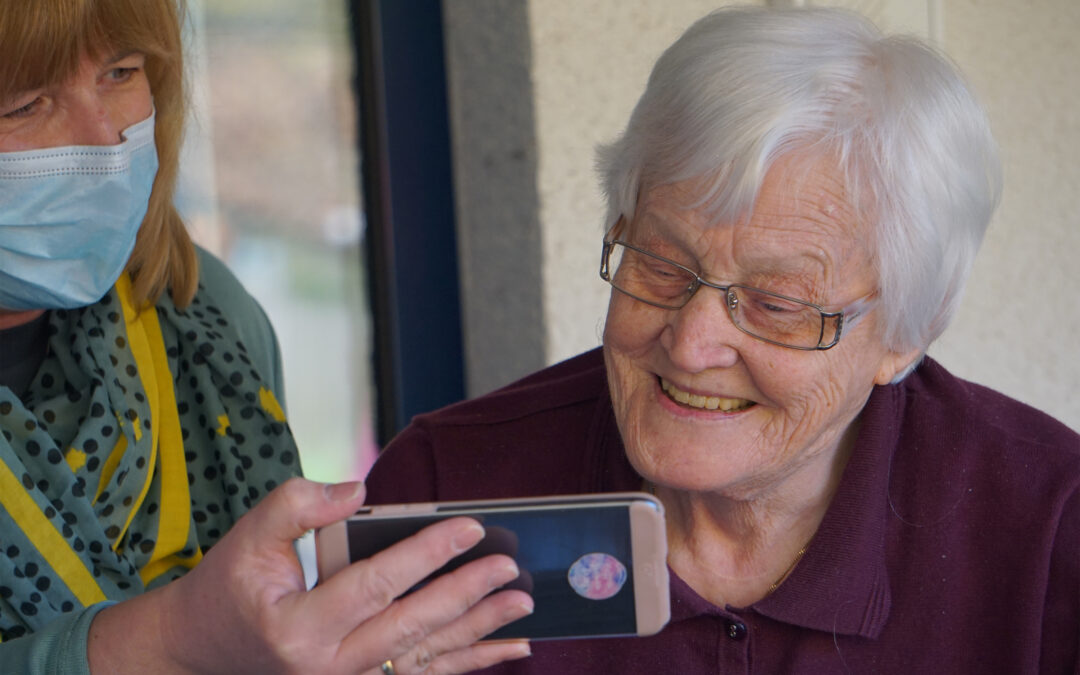
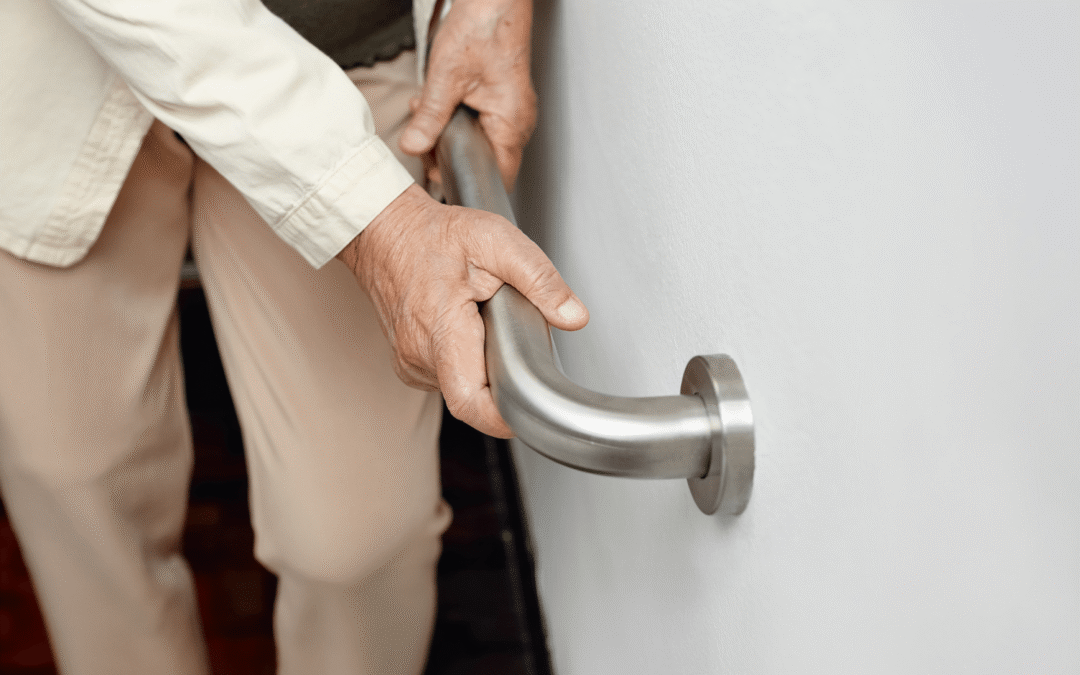
Caring for a Loved One with Alzheimer’s or Dementia at Home: Practical Tips

Caring for a Loved One with Alzheimer’s or Dementia at Home: Practical Tips

One day, you are a partner, son, daughter, or sibling. Next, you are also a caregiver.

Alzheimer’s and dementia shift roles in quiet ways at first, then in ways no family feels fully prepared for. Supporting someone at home takes time, creativity, and a growing toolbox of strategies that evolve with their needs.

In the United States, an estimated 6.9 million adults aged 65 or older are living with Alzheimer’s dementia, according to the Alzheimer’s Association. For many families in Wilmington and across North Carolina, home remains the preferred place for care rather than a memory care facility.

As you can imagine, home is where familiar surroundings and close relationships help reduce stress and confusion.

In this article, you’ll learn:

  • What Alzheimer’s and dementia involve
  • How in-home senior care for Alzheimer’s and support can protect safety, confidence, and connection
  • Practical tips family members can use right away at home
  • Communication strategies, services, and programs that help reduce stress
  • When to consider professional in-home Alzheimer’s or dementia care

Understanding Alzheimer’s and Dementia

Alzheimer’s disease is the most common cause of dementia, but the two terms are not interchangeable. Dementia describes a group of symptoms that affect memory, reasoning, and behavior. Alzheimer’s is one specific form of the disease that gradually changes how the brain works over time.

Early signs often include forgetfulness that interrupts daily routines, trouble finding words, or difficulty making decisions. Later, changes may appear in behavior, sleep, or personality. Some seniors become anxious or withdrawn from the community. Others may show restlessness or confusion in familiar places.

These changes can make everyday tasks, like preparing a meal or remembering to lock the door, more difficult or unsafe. That’s why learning the basics of Alzheimer’s and dementia helps families anticipate needs and adjust personal care at home.

Key things to understand as a caregiver providing treatment:

  • Dementia progresses over time, and needs will change too
  • Behaviors are often symptoms of the disease, not personal choices
  • Familiar routines and environments can reduce stress and confusion
  • Compassion and patience make a meaningful difference each day

With a greater awareness of what’s driving the changes you’re seeing, you’re better equipped to respond to cognitive function changes with dignity-focused support.

Benefits of In-Home Alzheimer’s and Dementia Care

Home is often where a person feels most grounded. The structured environment brings things like a familiar scent of a favorite blanket, the creak of a well-worn floorboard, or the smile from the same neighbor each afternoon. All of these cues help someone with memory loss make sense of their day.

In-home Alzheimer care and in-home dementia care allow loved ones to stay connected to the place and people who bring comfort.

Comfort in Familiar Surroundings

As dementia progresses and memory issues develop, what feels overwhelming outside the home can feel simpler within it.

Meals happen in the kitchen they’ve known for years. Morning routines unfold in their own bedroom. These everyday touchpoints reduce confusion and anxiety, helping keep stress levels lower.

Personalized, Flexible Support

In-home care adapts to changing needs and different stages. A caregiver can adjust the pace of daily tasks, customize activities to match energy levels, help out with physical therapy, and create moments of joy using lifelong interests.

Think about the benefits of activities like gardening, playing favorite music, or participating in faith and family traditions. This flexibility around their own pockets of life supports dignity at every stage.

Stronger Family Connection

Keeping medical care at home allows the family to stay closely involved. Loved ones can share meaningful moments throughout the day — a reassuring hand, a story retold, a smile that still shines through.

Most families often feel more confident and supported when professional guidance is available right beside them.

Preserving Identity and Belonging

Even as memory changes and the disease progresses, the sense of self remains. Without the challenges of a nursing home, in-home dementia care helps protect that identity by honoring personal preferences, routines, and relationships.

Seniors can continue to live daily in ways that reflect who they are and the life they’ve built.

Practical Tips for Caring for Seniors with Alzheimer’s or Dementia

Even with a strong understanding of the health conditions that come with Alzheimer’s or dementia, day-to-day caregiving may feel daunting. Needs may shift from moment to moment, and what works one day may not work the next.

While there is no single right approach or a way to “solve” the challenges, these small, thoughtful strategies can make home life safer, calmer, and more enjoyable for everyone involved.

The following steps and resources offer a helpful starting point for families providing in-home Alzheimer’s care or in-home dementia care.

1. Safety at Home

Safety is one of the biggest priorities in in-home Alzheimer’s care. Memory changes can make familiar surroundings feel unpredictable, so small home adjustments go a long way in preventing injuries and keeping stress low.

By creating a safer environment, families can support freedom of movement and peace of mind.

  • Improve lighting and remove tripping hazards like loose rugs
  • Lock away medications and cleaning products
  • Add grab bars or non-slip mats in bathrooms
  • Use door chimes or alerts if wandering is a concern

2. Encouraging Independence

Dementia care for seniors builds confidence when the focus is on what someone can do.

Keeping routines simple and offering small choices (like picking between two outfits) helps maintain dignity. Guidance should be subtle, stepping in only when help is needed.

  • Create a steady daily routine with familiar activities
  • Set up tasks for success by simplifying steps
  • Offer guided choices to support autonomy
  • Use supportive seating or tools when dressing or bathing

3. Communication That Calms

As language skills change, communication becomes more than spoken words. A patient tone, gentle touch, and simple instructions can help reduce frustration for both caregiver and loved one.

The goal is comfort, not perfect accuracy.

  • Speak slowly with short sentences and familiar words
  • Use eye contact, smiles, and reassuring gestures
  • Validate feelings rather than correcting mistakes
  • Redirect to calming activities if frustration grows

4. Meaningful Activities

Purposeful engagement is a cornerstone of in-home dementia care. Activities tied to past interests (music, gardening, sorting photos) can spark positive memories and boost mood.

Keep sessions short and enjoyable, letting the moment guide the pace.

  • Focus on long-time hobbies and interests
  • Incorporate gentle movement like stretching or walking
  • Include multi-sensory experiences (music, touch, nature)
  • Invite simple social interactions with friends or neighbors

5. Memory Cues and Orientation

Clear cues help seniors move through the day more easily as they age. Labels, visual reminders, and an organized environment can prevent confusion and lessen the need for verbal prompting. This supports independence and reduces anxiety in daily routines.

  • Label room doors, drawers, or cabinets
  • Place a daily schedule or calendar where it’s visible
  • Reduce clutter to limit distraction
  • Keep important items in the same spot each day

6. Communicating Effectively with a Loved One

Words may become harder to find, but the need for connection remains strong. As language changes, the goal of communication shifts from exchanging information to creating comfort, trust, and calm.

Simple adjustments can make conversations feel easier:

  • Use a relaxed tone and speak slowly
  • Offer one idea or instruction at a time
  • Validate emotions even if the facts aren’t correct

Non-verbal communication often speaks loudest. Don’t force a family member to search for words. A gentle touch, steady eye contact, or simply sitting together can help your loved one feel safe and supported.

Instead of focusing on what’s being forgotten, look for ways to keep connection at the center of each interaction.

Managing Caregiver Stress

Supporting a loved one with Alzheimer’s or dementia at home can be deeply meaningful, but it can also take a toll.

Caregivers often balance appointments, household tasks, behavior changes, and their own emotions, sometimes without many breaks. Feeling tired, overwhelmed, or unsure is a normal part of the journey.

Taking care of yourself helps you take better care of the person you love. Regular rest, shared responsibilities, and time spent on personal well-being protect your health and your ability to provide steady support day after day.

  • Accept offers of help from family, friends, or neighbors
  • Join a local area agency or caregiver support group to share experiences
  • Build short breaks into each week to recharge
  • Consider respite care for scheduled relief when needed

You don’t have to carry everything alone. Support allows you to show up with patience, compassion, and renewed strength.

When to Seek Professional In-Home Care

Knowing when additional help is needed can be one of the hardest decisions families face. Alzheimer’s and dementia progress differently for everyone, so there isn’t a single moment that signals it’s time. Instead, caregivers often notice gradual changes: moments when home feels less safe, or daily routines feel harder to manage alone.

Professional in-home Alzheimer care and in-home dementia care can provide the structure, trained support, and peace of mind families need. Bringing in help doesn’t replace your role, but rather reinforces it, allowing you to focus on connection instead of constantly reacting to challenges.

Here are some early-stage signs that it may be time to add support:

  • Increased falls, wandering, or changes in mobility
  • Difficulty with bathing, toileting, or medication management
  • Rising caregiver stress or exhaustion
  • Behavioral changes that feel unsafe or overwhelming

Asking for help is a step toward safer, more secure days for both your loved one and you.

FAQs About Alzheimer’s and Dementia Care at Home

Here are common questions about alzheimer’s and dementia care at home.

What is the difference between Alzheimer’s and dementia care?
Dementia describes a group of conditions that affect memory and thinking. Alzheimer’s is the most common type of dementia and often requires specialized support focused on memory, behavior, and safety at home.
How can I make my home safer for someone with dementia?
Reduce fall risks by clearing pathways, securing loose rugs, and adding better lighting. Lock hazardous items and consider door alarms or chimes if wandering is a concern.
Can in-home care improve the quality of life for seniors with Alzheimer’s?

Yes. Personalized routines, familiar surroundings, and one-on-one support can help reduce anxiety and keep older adults engaged in the activities and people they love.

How do I choose the right in-home care provider?
Look for trained caregivers with experience in dementia care for seniors. Ask about care plans, communication with families, emergency procedures, and local reputation.

A Stronger Tomorrow Starts at Home

Caring for someone with Alzheimer’s or dementia is a journey that requires patience, creativity, and a whole lot of heart. Every small success is a reminder that connection still lives here.

With the right support, home can remain a comforting place where your loved one feels seen, valued, and safe.

If you’re starting to feel stretched or unsure about next steps, professional in-home care can make each day more manageable. In Wilmington and across the Cape Fear region, New Estuary Home Care provides personalized support designed to honor who your loved one is and the life they’ve built.

Compassionate care doesn’t replace family. It strengthens it.

Let’s take the next step together. Learn how we can help you create more good days at home. Contact us today!

How In-Home Care Helps Seniors Maintain Independence Longer

How In-Home Care Helps Seniors Maintain Independence Longer

Home is more than a place. It’s familiar routines, treasured belongings, and a sense of comfort that can’t be recreated anywhere else. For many older adults, aging at home means holding on to the independence and identity they’ve built over a lifetime.

According to a 2024 AARP report, most adults over 50 want to remain in their current homes as they age, staying connected to their communities and the life they know.

However, maintaining that independence can become difficult when daily tasks, mobility, or health changes start getting in the way. In-home care provides the right level of support at the right time, helping seniors continue living safely and happily where they feel most comfortable.

In this article, we’ll explore:

  • What in-home care includes
  • How it helps seniors stay independent longer
  • The types of home health services and support available
  • The benefits for seniors and their families
  • Answers to common questions about in-home care

What Is In-Home Care and In-Home Services?

In-home care is support provided to seniors in the comfort of their own home. Instead of moving into a facility or relying only on family, older adults receive help with everyday tasks from professional caregivers who come directly to them.

This approach allows seniors to stay where they feel most at ease while receiving the right level of assistance.

Services vary based on personal needs and health conditions. Care may include help with bathing and grooming, dressing, preparing meals, light housekeeping, and reminders to take medications. Companionship is also a key part of in-home care for seniors. A friendly visit, a shared meal, or a ride to an appointment can make a big difference in confidence and connection.

Every care plan is customized. Some seniors may only need a few hours of support each week, while others benefit from daily or overnight care. The focus of a personalized care plan is always the same: providing practical help that protects independence and promotes comfort at home.

Common areas of support include:

  • Personal care for hygiene and mobility
  • Help with meals, cleaning, and daily routines
  • Medication reminders and basic health monitoring
  • Transportation and companionship to stay engaged
  • Flexible scheduling that adapts as needs change

Why In-Home Care Is Important for Seniors

As daily tasks become harder, many older adults face a difficult trade-off: struggle through daily routines alone or move away from the home they love.

In-home care removes that trade-off. These compassionate caregivers fill the gaps aging can create while allowing seniors to keep the routines and surroundings that bring comfort and familiarity.

Support That Keeps Each Day Safer

A caregiver’s presence can prevent small issues from turning into bigger ones. Help with moving around the home lowers the chance of falls.

Medication reminders keep treatment plans on track. Even help with cooking or cleaning reduces risks from clutter, spoiled food, or household hazards. These are simple changes that support health and a better quality of life.

Connection That Protects Confidence

Just as meaningful as safety is the emotional side of aging. Having someone to share conversation, meals, or activities with makes the home feel fuller and more supported.

Seniors gain confidence knowing they don’t have to face each day alone. Instead of losing independence, they feel more secure and more in control of how they spend their time.

In-home care allows seniors to stay where they feel most like themselves, while continuing to live safely and stay engaged in daily life.

How In-Home Care Helps Seniors Maintain Independence

Independence doesn’t disappear with age. It just needs the right support. Caregivers help with daily activities such as:

  • Bathing and dressing with standby support
  • Preparing meals and light housekeeping
  • Running errands or helping with shopping

Seniors stay safer and more confident while still handling what they’re able to do on their own.

Making Everyday Life Easier

When maintaining a home becomes overwhelming, simple assistance keeps routines steady. Help with laundry, tidying, and organization means the house stays comfortable without adding strain or risk.

Independence also includes social time and personal interests. Rides to appointments, church, or local activities allow seniors to stay active in the community they love. Staying engaged supports both mood and mobility.

Together, these types of support protect independence instead of replacing it. Seniors can continue choosing how they spend their days, knowing a helping hand is there when needed.

Types of In-Home Care Services

Every senior’s needs are different. In-home care offers a range of support options that can be combined and adjusted over time. Families can choose what makes the most sense based on health, comfort, and daily routines.

Personal Care

Help with daily tasks such as bathing, grooming, dressing, and moving around the home. This support promotes both safety and confidence, especially for seniors with mobility changes or chronic conditions.

Companion Care

Friendly social time and assistance with everyday activities like conversation, hobbies, and meal preparation. Companionship helps reduce feelings of isolation and keeps seniors engaged in meaningful routines.

Skilled Care

Advanced medical support from licensed nurses or therapists. Services may include medication administration, wound care, physical therapy, and health monitoring at home. Skilled care is helpful for seniors managing more complex medical needs.

Respite Care

Short-term support designed to give family caregivers a needed break. Whether for a few hours or a full day, respite care provides peace of mind and helps prevent caregiver burnout.

These services can stand alone or blend together. As needs change over time, care plans can be updated to provide the right level of support, without requiring a move away from home.

Benefits of In-Home Care

Choosing in-home care brings reassurance to both seniors and their families. With the right support, older adults can continue living safely and comfortably in the place that feels most like home.

Caregivers help protect independence while offering structure and companionship throughout the day. Here are some of the key benefits families appreciate:

  • Seniors stay in familiar surroundings, which supports comfort and confidence
  • Daily routines continue, including meals, hobbies, and favorite activities
  • Help with mobility and medication reduces the risk of accidents or health issues
  • Companionship encourages a positive outlook and social connection
  • Family caregivers get relief, knowing a trusted professional is there to help

In-home care makes life easier without taking away independence. It offers a path forward that keeps home at the center of aging — not as something left behind.


FAQs About In-Home Care

What is included in in-home care services?
In-home care can include help with bathing, dressing, meals, light housekeeping, and medication reminders. Some seniors also receive companionship, transportation, or skilled nursing care if needed. Support is personalized based on comfort and health goals.
How do I know if my loved one needs in-home care?

Changes in mobility, difficulty managing meals or medications, more frequent falls, or increased loneliness can be signs that extra support would help.

A professional care assessment is the best way to find guidance and a plan that fits your family’s needs.

Can in-home care be customized to individual needs?
Yes. Care plans are flexible and can increase or decrease over time. Families can choose everything from a few hours of help each week to full-day or overnight support.
How does in-home care help seniors stay independent?
Caregivers encourage seniors to do what they can safely, while stepping in only where help is needed. This balance supports confidence, routine, and the comfort of staying in familiar surroundings.

A Safe Path to Independence at Home

Staying independent isn’t about doing everything alone. It’s about having the support needed to keep living life on your own terms. For many seniors, that means remaining in the home they love, surrounded by comfort and familiarity.

In-home care gives families a practical way to make that possible. From help with daily routines to meaningful companionship, the right care plan protects confidence, dignity, and a strong sense of self.

If you’re considering support for a loved one in the Cape Fear Region, New Estuary Home Care is here to help. Our caregivers provide personalized care rooted in respect and compassion. Our goal is to help seniors enjoy more good days at home, whether that’s in New Hanover, Pender, or Onslow County.

Everyone deserves to feel secure and independent. Let’s work together to make home the best place to be. Contact us today!

Room-by-Room Fall Risk Assessment Checklist for Caregivers

Room-by-Room Fall Risk Assessment Checklist for Caregivers

Did you know that falls are the second leading cause of injury in the state of North Carolina? The tough irony is that most of these accidents are preventable, especially when families and caregivers know what to look for.

Preventing these falls goes beyond simple knowledge. Instead, a safe and supportive environment starts with action. With a structured fall risk assessment for seniors, you can reduce hazards, protect independence, and bring peace of mind to everyone involved.

In this guide, we’ll walk through a room-by-room checklist designed to help with fall risk factors here in Wilmington, across the Cape Fear region, and throughout North Carolina.

Why Fall Prevention Matters

According to the North Carolina governor’s office, approximately 17.6% of North Carolinians are 65 or older, and it’s estimated that one in four older adults experiences a fall each year. Even more concerning: those who fall once are two to three times more likely to fall again.

Fall-related injuries can be serious, including hip fractures, broken bones, or head trauma. However, the emotional impact can be just as lasting. Many seniors experience a loss of confidence or independence after a fall, which can lead to isolation and reduced mobility over time.

Common fall risks include poor lighting, slippery floors, unsteady furniture, and cluttered pathways. Health factors like weaker muscles, limited vision, and balance issues make those hazards even more dangerous.

This is where home caregivers make a difference. Learning what to watch for and using a structured fall risk assessment for seniors creates a safer home environment and stay ahead of potential dangers as your loved one’s needs evolve. Think of this checklist as your own personal fall risk assessment tool.

Fall Risk Assessment Checks: Preparing for a Home Assessment

Every home is different, but the risks are often the same. Rugs that slip, cords that catch, poor lighting, or furniture that’s hard to get around can all contribute to falls. A room-by-room fall risk assessment helps you break the task into manageable steps and catch issues that might otherwise go unnoticed.

This guide is designed for caregivers, adult children, and family members who want to make the home safer for an aging loved one. Whether your loved one is recovering from a recent fall or simply planning to age in place, this checklist offers a proactive approach to fall risk screening.

Use the sections below to walk through each area of the home. Look for hazards, note what needs adjusting, and involve your loved one in the process when possible. Small changes can make a big difference.

1. Gather Basic Tools

Before you begin your fall risk assessment, take a few minutes to prepare and examine modifiable risk factors. A few simple tools can go a long way in identifying safety concerns:

  • A flashlight for checking dim or shadowy corners
  • Non-slip tape or pads for rugs and mats
  • A notebook or printed checklist to stay organized
  • A tape measure to check furniture heights and clearance in walkways
  • Analyze any previous falls to prevent falls

Free printable checklists are available through the CDC’s STEADI (Stopping Elderly Accidents, Deaths & Injuries) initiative and the North Carolina Division of Aging and Adult Services. These can provide helpful structure as you move from room to room.

2. Make It a Collaborative Process

If possible, include your loved one in the assessment. Ask them where they feel most confident, and where they feel unsure or unsteady. Be specific and timely. Ask about any of these variables over the past year. Do a medication review.

These valuable insights make the process feel supportive to avoid serious injury rather than disruptive and significantly reduce a patient’s fall risk.

Even small changes might feel like a loss of control to someone who values their independence. Involving them in conversations about safety, you’re more likely to get cooperation to avoid injurious falls (and even appreciation) in the long run.

3. Focus on Safety with Dignity

This isn’t about taking things away. The goal is to build a home that works better for everyone.

A thoughtful, caregiver-led fall prevention checklist respects your loved one’s preferences while reducing risk. It’s one of the most effective ways to support senior independence while keeping them safe and avoiding any medical treatment.

Entryways and Hallways Safety

These are some of the most frequently used areas in any home and some of the most overlooked when it comes to fall prevention. Narrow spaces, poor lighting, and everyday clutter can all increase risk.

Here’s what to check:

1. Lighting

Good lighting is one of the simplest and most effective ways to foster low-risk environments. Seniors with impaired vision are especially vulnerable in dimly lit spaces.

Start by addressing any shadows or dark corners.

  • Make sure all entryways and hallways have bright, even lighting
  • Replace burned-out bulbs promptly
  • Add nightlights or motion-sensor lights, especially near bedrooms and bathrooms

2. Clutter

Tripping hazards often come from everyday items, not just the obvious obstacles. The more consistently clear your walkways are, the safer your loved one will feel moving around, and the more you reduce falls.

  • Remove items that tend to pile up: shoes, coats, mail, or bags
  • Use hooks, bins, or shelves to keep walkways clear
  • Maintain at least three feet of clearance for walking paths

3. Rugs and Cords

Loose rugs and cords are common culprits in hallway falls. They’re easy to miss but just as easy to fix with the right tools when predicting falls.

  • Use non-slip pads or double-sided tape under area rugs
  • Eliminate or relocate loose extension cords
  • Secure cords along walls and out of foot traffic zones

Even small adjustments in these high-traffic areas can make a significant difference, especially for seniors with balance concerns or vision loss.

Living Room Checklist

The living room should be a place to relax and not a space full of hidden hazards. For seniors who use walkers or need stable seating, even a cozy setup can become risky without small adjustments.

1. Furniture Arrangement

Rearranging furniture can dramatically improve safety while stopping elderly accidents. Focus on creating wide, open walkways with no sharp turns or narrow passages.

  • Keep at least three feet of clearance for walking paths
  • Remove or reposition low tables, decorative stands, and unstable chairs
  • Avoid furniture with sharp corners or slippery finishes

2. Floor Safety

Many falls in living spaces happen due to shifting rugs or loose items underfoot. When evaluating patients’ homes, a few preventive steps can make the floor much safer.

  • Use non-slip pads under rugs or remove them entirely
  • Keep electrical cords, magazines, or pet toys out of walking areas
  • Vacuum regularly to avoid debris buildup that could catch a foot or cane

3. Safe Seating

Getting in and out of a chair should feel steady and controlled, not like a balancing act. Simple decisions can avoid a visit to health care providers.

  • Choose sturdy chairs with armrests for leverage
  • Avoid soft or low-slung seating that’s difficult to stand from
  • Position chairs near good lighting and within easy reach of remotes or phones

Bedroom Checklist

Nighttime disorientation, low lighting, and awkward furniture can all raise the risk of falls in the bedroom. Create a calm, functional layout for safer nighttimes and easier mornings.

1. Bed Height and Accessibility

A bed that’s too high or too low can lead to awkward movements, especially during nighttime trips to the bathroom. That could even result in head injury.

  • Adjust the mattress so the top is at knee height (around 20–23 inches)
  • Add a bed rail for stability if needed
  • Make sure there’s clear space on both sides of the bed

2. Lighting and Emergency Access

Falls often happen when seniors wake up in the dark and try to move quickly. Prioritize visibility and quick access to help.

  • Place lamps or switches within reach of the bed
  • Add motion-sensor night lights along the path to the bathroom
  • Keep a phone, emergency alert device, or bell close at hand

3. Clutter-Free Floors

The floor around the bed should stay clean and organized. Even slippers or a tangle of cords may cause a fall.

  • Store slippers or walking aids within arm’s reach of the bed
  • Keep clothes, cords, and clutter off the floor
  • Secure or remove bedside rugs

Kitchen Checklist

Kitchens may feel familiar, but they’re full of fall risks, from slick floors to reaching for items on high shelves. Paying attention to layout and accessibility can reduce the risk of sudden slips or awkward movements.

1. Non-Slip Mats and Grab Bars

Moisture and smooth flooring are a dangerous mix. Focus on traction and safe movement around sinks and stoves.

  • Place non-slip mats near the sink, stove, and prep areas
  • Clean up spills immediately; no exceptions
  • Avoid towel bars for balance; use secure grab bars if needed near kitchen entry points

2. Safe Storage and Countertops

Minimize bending, stretching, and the need for unstable step stools. Make everyday tasks as easy to reach as possible.

  • Store frequently used items at waist-to-shoulder height
  • Use pull-out racks or baskets to reduce reaching into deep cabinets
  • Keep counters clear to avoid knocking items to the floor

3. Appliance and Water Safety

Even small appliances can present hazards. Heat, steam, and cords all play a role in preventing (or causing) accidents.

  • Use electric kettles instead of stovetop kettles for better control
  • Replace worn appliance cords and avoid overloaded outlets
  • Set water heater temperature to no higher than 120°F to prevent burns

Bathroom Checklist

Bathrooms are one of the highest-risk areas for falls. Water, hard surfaces, and tight spaces all contribute. A few smart upgrades can make this room much safer.

1. Grab Bars and Support Equipment

Don’t rely on balance alone in the bathroom. Every major movement (sitting, standing, or stepping) should have some kind of support.

  • Install grab bars next to the toilet and inside the shower or tub
  • Use a raised toilet seat if sitting and standing is difficult
  • Add a shower chair for seated bathing

2. Non-Slip Surfaces

Falls often happen when stepping in or out of the tub. Focus on surfaces that offer grip.

  • Place non-slip mats both inside and outside the tub or shower
  • Avoid smooth bath rugs that slide or bunch
  • Wipe up water immediately, especially near sinks

3. Water Temperature and Lighting

Quick movements to avoid scalding can lead to stumbles. Poor lighting only adds to the danger.

  • Install anti-scald devices on faucets and showerheads
  • Make sure lighting is bright and even, especially near mirrors and entry points
  • Add a nightlight for early morning or late-night trips

Outdoor Areas Checklist

Stairs, porches, and driveways are easy to overlook but weather, uneven ground, and poor lighting make these areas hazardous year-round.

Handrails and Step Visibility

Getting in and out of the home should feel stable, not risky. Make steps as visible and secure as possible.

  • Add handrails on both sides of the stairs and ramps
  • Apply contrasting tape or paint to step edges for better visibility
  • Check that each step is even, secure, and slip-resistant

Outdoor Pathways and Lighting

Seasonal changes, especially in coastal areas, create new risks. Keep these spaces tidy and well-lit.

  • Sweep away leaves, snow, or debris regularly
  • Trim overgrown bushes or tree branches that block paths
  • Install motion-sensing or solar lights near entryways and walkways

General Outdoor Safety

Even durable surfaces wear down over time. Prioritize proactive maintenance to avoid surprise hazards.

  • Repair loose boards, cracked steps, or broken pavers
  • Keep assistive ramps stable, level, and weather-protected
  • Avoid placing planters or furniture in narrow walking areas

Creating a Personalized Fall Prevention Plan

A checklist is a great place to start, but it’s only the beginning.

Each home, and each individual, is different. Customize a fall prevention strategy to your loved one’s routines, habits, and health needs to make safety feel more natural and sustainable.

Monitor and Update Regularly

Fall risks change quickly. What felt safe a few months ago may not work after a health change or seasonal shift. Make home assessments part of your regular caregiving rhythm.

  • Review the home every 6 months, or sooner if your loved one’s condition changes
  • Check new furniture, recent repairs, or seasonal clutter that could introduce hazards
  • Keep a record of changes to track progress and spot patterns over time

Keep Communication Open

Your loved one’s perspective is extremely valuable. If they feel overwhelmed or resistant to changes, a calm, honest conversation can make all the difference.

  • Ask regularly what feels safe, difficult, or stressful about their space
  • Involve them in decisions, especially about mobility aids or layout changes
  • Explain how fall prevention steps support independence, rather than take it away

Use Local Resources

You don’t have to do this alone. North Carolina offers a wide range of support services to help families stay ahead of fall risks.

  • Contact the North Carolina Falls Prevention Coalition for tools and checklists
  • Reach out to local senior centers or caregiver groups for advice and support
  • Schedule a home safety evaluation through local agencies or healthcare providers

Taking the time to create a personalized plan shows care, respect, and foresight. It turns prevention into something that’s empowering and not limiting.

Build a Safer Home with Intention Over Fear

When a serious fall happens, you face a disruption to routine, confidence, and sometimes independence.

Fortunately, when we treat safety as an act of care more so than caution, the home becomes a place of empowerment. Every thoughtful adjustment is a quiet way of saying: “I want you to keep living fully, on your terms.”

If you’re ready to take the next step, we’re here to help. At New Estuary Home Care, our trained caregivers offer in-home safety consultations, mobility support, and personalized fall prevention plans tailored to your loved one’s space and lifestyle.

Reach out to schedule a fall risk assessment and start building a safer, more supportive environment, one room at a time. Contact us today!