
How Respite Care Supports Family Caregivers and Prevents Burnout

How Respite Care Supports Family Caregivers and Prevents Burnout

If you’ve ever cared for a loved one and felt exhausted, guilty, or stretched too thin, you’re far from alone.

This kind of situation is hardly uncommon. Nearly 1.3 million North Carolinians serve as unpaid family caregivers, often without training, preparation, or the rest they need to stay healthy themselves.

While caring for a loved one can be deeply rewarding, it often comes with significant emotional, physical, and mental demands. Many caregivers experience exhaustion and even declining health as a result of their mentally taxing responsibilities.

Caregiving rarely stops at simple day-to-day tasks. Many families find themselves managing medications, juggling appointments, handling transportation, and stepping in for nearly every part of a loved one’s daily routine. That level of responsibility can wear down even the most devoted primary caregiver.

Of course, recognizing burnout isn’t always straightforward, and asking for help can feel even harder. Respite care helps here, offering short-term support that gives caregivers time to rest while their loved one continues receiving attentive care in a safe environment.

This article explains how temporary in-home care services reduce burnout and support healthier caregiving.

What Is Respite Care and How Does It Work?

Respite care is short-term, temporary home care designed to give family caregivers a well-deserved break. It allows someone else (usually a trained care professional) to step in and care for your loved one for a few hours, overnight, or even several days. This can happen at home, in an adult day center, or through a brief stay at a care facility.

More families are expressing interest in respite support as caregiving demands grow. However, only about 32% of American family caregivers receive any form of paid help. Bringing in trusted support gives caregivers a chance to rest, regroup, and care for their own well-being without worrying about their loved one’s safety.

Understanding Caregiver Burnout and Mental Health: Causes and Warning Signs

Caregiver burnout is a state of emotional, physical, and mental exhaustion that many family caregivers face over time. It is especially common for those who care for loved ones with conditions like Alzheimer’s disease, terminal illnesses, or who manage care alone.

Warning signs of caregiver burnout include…

  • Constant tiredness
  • Irritability
  • Feelings of resentment
  • Declining personal or mental health
  • Sleep disturbance

Burnout often develops when caregivers provide around-the-clock care, struggle to balance work and family roles, and lack time for themselves. Emotional stress adds up as responsibilities pile on and breaks are rare.

When caregivers reach this point, both their quality of life and their ability to care for others suffer. Many also report poor personal health, financial strain, and feelings of isolation, all of which are growing problems in 2025.

Recognizing burnout early helps caregivers stay healthy enough to keep showing up for the people they love. Respite care is one way to regain energy and maintain the quality of care families depend on.

Key Respite Care Benefits for Family Caregivers

Family caregivers who use respite care report a range of benefits that directly improve their well-being and their ability to support loved ones with chronic health conditions.

Rest and Recovery

Scheduled breaks offer time to rest and allow caregivers to regain energy and mental clarity. Even a few hours away can make a noticeable difference, reducing fatigue and improving focus.

Reduced Stress & Emotional Relief

Temporary home care provides space to decompress and sort through the emotions that come with caregiving duties. A day away from stress can lower anxiety and help avoid emotional overload.

Improved Relationships

Regular time off prevents resentment from building. Caregivers feel less isolated and more able to maintain healthy family dynamics, reducing the risk of strained relationships with both loved ones and other family members.

Time for Personal Tasks

Caregivers often put off their own appointments, errands, or self-care. Respite care lets them keep up with their own health care, attend medical appointments, complete errands, attend community programs, or meet work responsibilities without guilt.

Better Quality Care for Loved Ones

Recharged, experienced caregivers have an abundance of patience, energy, and empathy. This directly improves the quality of care provided, enhancing safety, comfort, and emotional well-being for loved ones.

Transition Support

Starting with respite care helps families get comfortable with shared caregiving. It can prepare them for times when more ongoing support may be needed, smoothing transitions and reducing fear of change.

How Respite Care Helps Prevent Caregiver Burnout

Think of respite care as a pause button that gives everyone a moment to breathe. When caregivers build in regular breaks, even small ones, it interrupts the cycle that so often leads to burnout. A few hours each week or a weekend now and then can lighten the emotional load, ease the exhaustion, and help caregivers feel a little less alone in the work.

Those short breaks add up. They lower stress, slow that slow-and-steady kind of burnout that creeps in over time, and support better health for the whole family.

Additionally, knowing a trained professional is there brings a sense of comfort and reminds caregivers they’re not carrying this responsibility by themselves.

What makes the biggest difference is using respite care early, instead of waiting until everything feels overwhelming. A bit of support along the way helps caregivers stay steady and keeps the care they give loving, patient, and sustainable.

Types of Respite Care Services Available

Several respite care options are available to North Carolina families:

  • Hourly respite care offers caregivers a few hours of temporary relief during the day.
  • Overnight respite care provides rest for those needing extended blocks of sleep or downtime for several hours.
  • Weekend or vacation respite allows caregivers to travel or recover from illness or stress, knowing their loved one is cared for days or even a few weeks.

Families can choose between in-home and facility-based respite care. In-home senior services deliver help where loved ones feel most comfortable (at home) while facility-based care is an option for those who may need support in a different setting.

For many, in-home respite (sometimes including overnight care) is the most convenient and keeps routines familiar in a comfortable environment, which can be especially important for seniors with memory conditions.

How to Know If It’s Time to Use Respite Care

Sometimes the signs show up subtly: you’re worn out, everything feels heavier than it should, or your own health starts slipping to the bottom of the list. Maybe you’re feeling stretched thin, a little resentful, or like you’re running a race you never get to rest from.

When caring for a loved one begins to crowd out work, family time, or basic daily routines, it’s a good indication that you deserve a breather.

Asking for help isn’t a failure. It’s a kind, steady choice that protects your well-being and supports the person you care about. Knowing your limits and taking time to recharge helps everyone stay strong for the long haul.

Choosing the Right Respite Care Provider

Picking a respite care provider is definitely something you shouldn’t rush. It’s a little like handing over the house keys — you want to feel good about who’s walking through the door.

Look for a team that hires well-trained caregivers, keeps schedules flexible, and tells you exactly what things cost. Clear communication, thoughtful care plans, and solid safety practices go a long way in helping families breathe easier.

Above all, trust matters. The right agency shows up when they say they will and treats your loved one with the same kindness and respect you do. Don’t hesitate to ask questions or check in with others in your community.

Feeling comfortable with the people who share in your loved one’s care makes the whole journey lighter.

Respite Care Is Essential, Not Optional

Family caregiver support is what keeps relationships strong and caregivers healthy enough to keep doing what matters most. Choosing respite care gives families room to rest, recharge, and continue providing steady, meaningful support without hitting a breaking point.

If you’re caring for a family member in Wilmington or the Cape Fear region, New Estuary Home Care is here to help. Our team will walk you through your respite care options, answer your questions, and create a plan that gives you the breathing room you deserve.

Reach out today to learn how short-term home care support can contribute to your well-being and your loved one’s comfort.
Caring for a Loved One with Alzheimer’s or Dementia at Home: Practical Tips

Caring for a Loved One with Alzheimer’s or Dementia at Home: Practical Tips

One day, you are a partner, son, daughter, or sibling. Next, you are also a caregiver.

Alzheimer’s and dementia shift roles in quiet ways at first, then in ways no family feels fully prepared for. Supporting someone at home takes time, creativity, and a growing toolbox of strategies that evolve with their needs.

In the United States, an estimated 6.9 million adults aged 65 or older are living with Alzheimer’s dementia, according to the Alzheimer’s Association. For many families in Wilmington and across North Carolina, home remains the preferred place for care rather than a memory care facility.

As you can imagine, home is where familiar surroundings and close relationships help reduce stress and confusion.

In this article, you’ll learn:

  • What Alzheimer’s and dementia involve
  • How in-home senior care for Alzheimer’s and support can protect safety, confidence, and connection
  • Practical tips family members can use right away at home
  • Communication strategies, services, and programs that help reduce stress
  • When to consider professional in-home Alzheimer’s or dementia care

Understanding Alzheimer’s and Dementia

Alzheimer’s disease is the most common cause of dementia, but the two terms are not interchangeable. Dementia describes a group of symptoms that affect memory, reasoning, and behavior. Alzheimer’s is one specific form of the disease that gradually changes how the brain works over time.

Early signs often include forgetfulness that interrupts daily routines, trouble finding words, or difficulty making decisions. Later, changes may appear in behavior, sleep, or personality. Some seniors become anxious or withdrawn from the community. Others may show restlessness or confusion in familiar places.

These changes can make everyday tasks, like preparing a meal or remembering to lock the door, more difficult or unsafe. That’s why learning the basics of Alzheimer’s and dementia helps families anticipate needs and adjust personal care at home.

Key things to understand as a caregiver providing treatment:

  • Dementia progresses over time, and needs will change too
  • Behaviors are often symptoms of the disease, not personal choices
  • Familiar routines and environments can reduce stress and confusion
  • Compassion and patience make a meaningful difference each day

With a greater awareness of what’s driving the changes you’re seeing, you’re better equipped to respond to cognitive function changes with dignity-focused support.

Benefits of In-Home Alzheimer’s and Dementia Care

Home is often where a person feels most grounded. The structured environment brings things like a familiar scent of a favorite blanket, the creak of a well-worn floorboard, or the smile from the same neighbor each afternoon. All of these cues help someone with memory loss make sense of their day.

In-home Alzheimer care and in-home dementia care allow loved ones to stay connected to the place and people who bring comfort.

Comfort in Familiar Surroundings

As dementia progresses and memory issues develop, what feels overwhelming outside the home can feel simpler within it.

Meals happen in the kitchen they’ve known for years. Morning routines unfold in their own bedroom. These everyday touchpoints reduce confusion and anxiety, helping keep stress levels lower.

Personalized, Flexible Support

In-home care adapts to changing needs and different stages. A caregiver can adjust the pace of daily tasks, customize activities to match energy levels, help out with physical therapy, and create moments of joy using lifelong interests.

Think about the benefits of activities like gardening, playing favorite music, or participating in faith and family traditions. This flexibility around their own pockets of life supports dignity at every stage.

Stronger Family Connection

Keeping medical care at home allows the family to stay closely involved. Loved ones can share meaningful moments throughout the day — a reassuring hand, a story retold, a smile that still shines through.

Most families often feel more confident and supported when professional guidance is available right beside them.

Preserving Identity and Belonging

Even as memory changes and the disease progresses, the sense of self remains. Without the challenges of a nursing home, in-home dementia care helps protect that identity by honoring personal preferences, routines, and relationships.

Seniors can continue to live daily in ways that reflect who they are and the life they’ve built.

Practical Tips for Caring for Seniors with Alzheimer’s or Dementia

Even with a strong understanding of the health conditions that come with Alzheimer’s or dementia, day-to-day caregiving may feel daunting. Needs may shift from moment to moment, and what works one day may not work the next.

While there is no single right approach or a way to “solve” the challenges, these small, thoughtful strategies can make home life safer, calmer, and more enjoyable for everyone involved.

The following steps and resources offer a helpful starting point for families providing in-home Alzheimer’s care or in-home dementia care.

1. Safety at Home

Safety is one of the biggest priorities in in-home Alzheimer’s care. Memory changes can make familiar surroundings feel unpredictable, so small home adjustments go a long way in preventing injuries and keeping stress low.

By creating a safer environment, families can support freedom of movement and peace of mind.

  • Improve lighting and remove tripping hazards like loose rugs
  • Lock away medications and cleaning products
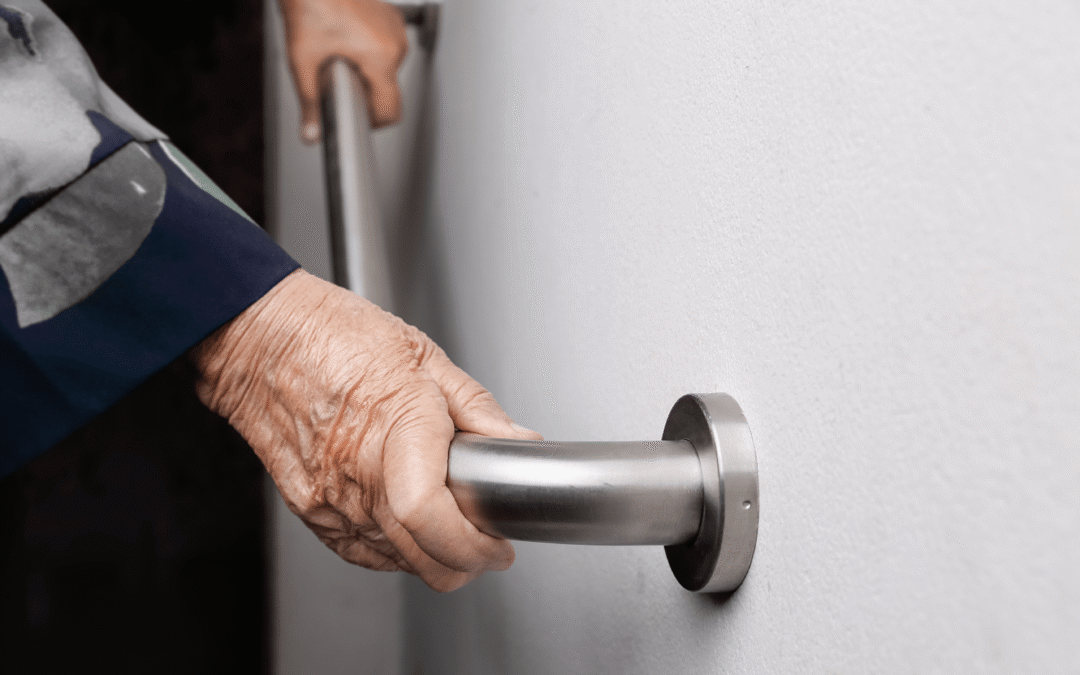
  • Add grab bars or non-slip mats in bathrooms
  • Use door chimes or alerts if wandering is a concern

2. Encouraging Independence

Dementia care for seniors builds confidence when the focus is on what someone can do.

Keeping routines simple and offering small choices (like picking between two outfits) helps maintain dignity. Guidance should be subtle, stepping in only when help is needed.

  • Create a steady daily routine with familiar activities
  • Set up tasks for success by simplifying steps
  • Offer guided choices to support autonomy
  • Use supportive seating or tools when dressing or bathing

3. Communication That Calms

As language skills change, communication becomes more than spoken words. A patient tone, gentle touch, and simple instructions can help reduce frustration for both caregiver and loved one.

The goal is comfort, not perfect accuracy.

  • Speak slowly with short sentences and familiar words
  • Use eye contact, smiles, and reassuring gestures
  • Validate feelings rather than correcting mistakes
  • Redirect to calming activities if frustration grows

4. Meaningful Activities

Purposeful engagement is a cornerstone of in-home dementia care. Activities tied to past interests (music, gardening, sorting photos) can spark positive memories and boost mood.

Keep sessions short and enjoyable, letting the moment guide the pace.

  • Focus on long-time hobbies and interests
  • Incorporate gentle movement like stretching or walking
  • Include multi-sensory experiences (music, touch, nature)
  • Invite simple social interactions with friends or neighbors

5. Memory Cues and Orientation

Clear cues help seniors move through the day more easily as they age. Labels, visual reminders, and an organized environment can prevent confusion and lessen the need for verbal prompting. This supports independence and reduces anxiety in daily routines.

  • Label room doors, drawers, or cabinets
  • Place a daily schedule or calendar where it’s visible
  • Reduce clutter to limit distraction
  • Keep important items in the same spot each day

6. Communicating Effectively with a Loved One

Words may become harder to find, but the need for connection remains strong. As language changes, the goal of communication shifts from exchanging information to creating comfort, trust, and calm.

Simple adjustments can make conversations feel easier:

  • Use a relaxed tone and speak slowly
  • Offer one idea or instruction at a time
  • Validate emotions even if the facts aren’t correct

Non-verbal communication often speaks loudest. Don’t force a family member to search for words. A gentle touch, steady eye contact, or simply sitting together can help your loved one feel safe and supported.

Instead of focusing on what’s being forgotten, look for ways to keep connection at the center of each interaction.

Managing Caregiver Stress

Supporting a loved one with Alzheimer’s or dementia at home can be deeply meaningful, but it can also take a toll.

Caregivers often balance appointments, household tasks, behavior changes, and their own emotions, sometimes without many breaks. Feeling tired, overwhelmed, or unsure is a normal part of the journey.

Taking care of yourself helps you take better care of the person you love. Regular rest, shared responsibilities, and time spent on personal well-being protect your health and your ability to provide steady support day after day.

  • Accept offers of help from family, friends, or neighbors
  • Join a local area agency or caregiver support group to share experiences
  • Build short breaks into each week to recharge
  • Consider respite care for scheduled relief when needed

You don’t have to carry everything alone. Support allows you to show up with patience, compassion, and renewed strength.

When to Seek Professional In-Home Care

Knowing when additional help is needed can be one of the hardest decisions families face. Alzheimer’s and dementia progress differently for everyone, so there isn’t a single moment that signals it’s time. Instead, caregivers often notice gradual changes: moments when home feels less safe, or daily routines feel harder to manage alone.

Professional in-home Alzheimer care and in-home dementia care can provide the structure, trained support, and peace of mind families need. Bringing in help doesn’t replace your role, but rather reinforces it, allowing you to focus on connection instead of constantly reacting to challenges.

Here are some early-stage signs that it may be time to add support:

  • Increased falls, wandering, or changes in mobility
  • Difficulty with bathing, toileting, or medication management
  • Rising caregiver stress or exhaustion
  • Behavioral changes that feel unsafe or overwhelming

Asking for help is a step toward safer, more secure days for both your loved one and you.

FAQs About Alzheimer’s and Dementia Care at Home

Here are common questions about alzheimer’s and dementia care at home.

What is the difference between Alzheimer’s and dementia care?
Dementia describes a group of conditions that affect memory and thinking. Alzheimer’s is the most common type of dementia and often requires specialized support focused on memory, behavior, and safety at home.
How can I make my home safer for someone with dementia?
Reduce fall risks by clearing pathways, securing loose rugs, and adding better lighting. Lock hazardous items and consider door alarms or chimes if wandering is a concern.
Can in-home care improve the quality of life for seniors with Alzheimer’s?

Yes. Personalized routines, familiar surroundings, and one-on-one support can help reduce anxiety and keep older adults engaged in the activities and people they love.

How do I choose the right in-home care provider?
Look for trained caregivers with experience in dementia care for seniors. Ask about care plans, communication with families, emergency procedures, and local reputation.

A Stronger Tomorrow Starts at Home

Caring for someone with Alzheimer’s or dementia is a journey that requires patience, creativity, and a whole lot of heart. Every small success is a reminder that connection still lives here.

With the right support, home can remain a comforting place where your loved one feels seen, valued, and safe.

If you’re starting to feel stretched or unsure about next steps, professional in-home care can make each day more manageable. In Wilmington and across the Cape Fear region, New Estuary Home Care provides personalized support designed to honor who your loved one is and the life they’ve built.

Compassionate care doesn’t replace family. It strengthens it.

Let’s take the next step together. Learn how we can help you create more good days at home. Contact us today!

Room-by-Room Fall Risk Assessment Checklist for Caregivers

Room-by-Room Fall Risk Assessment Checklist for Caregivers

Did you know that falls are the second leading cause of injury in the state of North Carolina? The tough irony is that most of these accidents are preventable, especially when families and caregivers know what to look for.

Preventing these falls goes beyond simple knowledge. Instead, a safe and supportive environment starts with action. With a structured fall risk assessment for seniors, you can reduce hazards, protect independence, and bring peace of mind to everyone involved.

In this guide, we’ll walk through a room-by-room checklist designed to help with fall risk factors here in Wilmington, across the Cape Fear region, and throughout North Carolina.

Why Fall Prevention Matters

According to the North Carolina governor’s office, approximately 17.6% of North Carolinians are 65 or older, and it’s estimated that one in four older adults experiences a fall each year. Even more concerning: those who fall once are two to three times more likely to fall again.

Fall-related injuries can be serious, including hip fractures, broken bones, or head trauma. However, the emotional impact can be just as lasting. Many seniors experience a loss of confidence or independence after a fall, which can lead to isolation and reduced mobility over time.

Common fall risks include poor lighting, slippery floors, unsteady furniture, and cluttered pathways. Health factors like weaker muscles, limited vision, and balance issues make those hazards even more dangerous.

This is where home caregivers make a difference. Learning what to watch for and using a structured fall risk assessment for seniors creates a safer home environment and stay ahead of potential dangers as your loved one’s needs evolve. Think of this checklist as your own personal fall risk assessment tool.

Fall Risk Assessment Checks: Preparing for a Home Assessment

Every home is different, but the risks are often the same. Rugs that slip, cords that catch, poor lighting, or furniture that’s hard to get around can all contribute to falls. A room-by-room fall risk assessment helps you break the task into manageable steps and catch issues that might otherwise go unnoticed.

This guide is designed for caregivers, adult children, and family members who want to make the home safer for an aging loved one. Whether your loved one is recovering from a recent fall or simply planning to age in place, this checklist offers a proactive approach to fall risk screening.

Use the sections below to walk through each area of the home. Look for hazards, note what needs adjusting, and involve your loved one in the process when possible. Small changes can make a big difference.

1. Gather Basic Tools

Before you begin your fall risk assessment, take a few minutes to prepare and examine modifiable risk factors. A few simple tools can go a long way in identifying safety concerns:

  • A flashlight for checking dim or shadowy corners
  • Non-slip tape or pads for rugs and mats
  • A notebook or printed checklist to stay organized
  • A tape measure to check furniture heights and clearance in walkways
  • Analyze any previous falls to prevent falls

Free printable checklists are available through the CDC’s STEADI (Stopping Elderly Accidents, Deaths & Injuries) initiative and the North Carolina Division of Aging and Adult Services. These can provide helpful structure as you move from room to room.

2. Make It a Collaborative Process

If possible, include your loved one in the assessment. Ask them where they feel most confident, and where they feel unsure or unsteady. Be specific and timely. Ask about any of these variables over the past year. Do a medication review.

These valuable insights make the process feel supportive to avoid serious injury rather than disruptive and significantly reduce a patient’s fall risk.

Even small changes might feel like a loss of control to someone who values their independence. Involving them in conversations about safety, you’re more likely to get cooperation to avoid injurious falls (and even appreciation) in the long run.

3. Focus on Safety with Dignity

This isn’t about taking things away. The goal is to build a home that works better for everyone.

A thoughtful, caregiver-led fall prevention checklist respects your loved one’s preferences while reducing risk. It’s one of the most effective ways to support senior independence while keeping them safe and avoiding any medical treatment.

Entryways and Hallways Safety

These are some of the most frequently used areas in any home and some of the most overlooked when it comes to fall prevention. Narrow spaces, poor lighting, and everyday clutter can all increase risk.

Here’s what to check:

1. Lighting

Good lighting is one of the simplest and most effective ways to foster low-risk environments. Seniors with impaired vision are especially vulnerable in dimly lit spaces.

Start by addressing any shadows or dark corners.

  • Make sure all entryways and hallways have bright, even lighting
  • Replace burned-out bulbs promptly
  • Add nightlights or motion-sensor lights, especially near bedrooms and bathrooms

2. Clutter

Tripping hazards often come from everyday items, not just the obvious obstacles. The more consistently clear your walkways are, the safer your loved one will feel moving around, and the more you reduce falls.

  • Remove items that tend to pile up: shoes, coats, mail, or bags
  • Use hooks, bins, or shelves to keep walkways clear
  • Maintain at least three feet of clearance for walking paths

3. Rugs and Cords

Loose rugs and cords are common culprits in hallway falls. They’re easy to miss but just as easy to fix with the right tools when predicting falls.

  • Use non-slip pads or double-sided tape under area rugs
  • Eliminate or relocate loose extension cords
  • Secure cords along walls and out of foot traffic zones

Even small adjustments in these high-traffic areas can make a significant difference, especially for seniors with balance concerns or vision loss.

Living Room Checklist

The living room should be a place to relax and not a space full of hidden hazards. For seniors who use walkers or need stable seating, even a cozy setup can become risky without small adjustments.

1. Furniture Arrangement

Rearranging furniture can dramatically improve safety while stopping elderly accidents. Focus on creating wide, open walkways with no sharp turns or narrow passages.

  • Keep at least three feet of clearance for walking paths
  • Remove or reposition low tables, decorative stands, and unstable chairs
  • Avoid furniture with sharp corners or slippery finishes

2. Floor Safety

Many falls in living spaces happen due to shifting rugs or loose items underfoot. When evaluating patients’ homes, a few preventive steps can make the floor much safer.

  • Use non-slip pads under rugs or remove them entirely
  • Keep electrical cords, magazines, or pet toys out of walking areas
  • Vacuum regularly to avoid debris buildup that could catch a foot or cane

3. Safe Seating

Getting in and out of a chair should feel steady and controlled, not like a balancing act. Simple decisions can avoid a visit to health care providers.

  • Choose sturdy chairs with armrests for leverage
  • Avoid soft or low-slung seating that’s difficult to stand from
  • Position chairs near good lighting and within easy reach of remotes or phones

Bedroom Checklist

Nighttime disorientation, low lighting, and awkward furniture can all raise the risk of falls in the bedroom. Create a calm, functional layout for safer nighttimes and easier mornings.

1. Bed Height and Accessibility

A bed that’s too high or too low can lead to awkward movements, especially during nighttime trips to the bathroom. That could even result in head injury.

  • Adjust the mattress so the top is at knee height (around 20–23 inches)
  • Add a bed rail for stability if needed
  • Make sure there’s clear space on both sides of the bed

2. Lighting and Emergency Access

Falls often happen when seniors wake up in the dark and try to move quickly. Prioritize visibility and quick access to help.

  • Place lamps or switches within reach of the bed
  • Add motion-sensor night lights along the path to the bathroom
  • Keep a phone, emergency alert device, or bell close at hand

3. Clutter-Free Floors

The floor around the bed should stay clean and organized. Even slippers or a tangle of cords may cause a fall.

  • Store slippers or walking aids within arm’s reach of the bed
  • Keep clothes, cords, and clutter off the floor
  • Secure or remove bedside rugs

Kitchen Checklist

Kitchens may feel familiar, but they’re full of fall risks, from slick floors to reaching for items on high shelves. Paying attention to layout and accessibility can reduce the risk of sudden slips or awkward movements.

1. Non-Slip Mats and Grab Bars

Moisture and smooth flooring are a dangerous mix. Focus on traction and safe movement around sinks and stoves.

  • Place non-slip mats near the sink, stove, and prep areas
  • Clean up spills immediately; no exceptions
  • Avoid towel bars for balance; use secure grab bars if needed near kitchen entry points

2. Safe Storage and Countertops

Minimize bending, stretching, and the need for unstable step stools. Make everyday tasks as easy to reach as possible.

  • Store frequently used items at waist-to-shoulder height
  • Use pull-out racks or baskets to reduce reaching into deep cabinets
  • Keep counters clear to avoid knocking items to the floor

3. Appliance and Water Safety

Even small appliances can present hazards. Heat, steam, and cords all play a role in preventing (or causing) accidents.

  • Use electric kettles instead of stovetop kettles for better control
  • Replace worn appliance cords and avoid overloaded outlets
  • Set water heater temperature to no higher than 120°F to prevent burns

Bathroom Checklist

Bathrooms are one of the highest-risk areas for falls. Water, hard surfaces, and tight spaces all contribute. A few smart upgrades can make this room much safer.

1. Grab Bars and Support Equipment

Don’t rely on balance alone in the bathroom. Every major movement (sitting, standing, or stepping) should have some kind of support.

  • Install grab bars next to the toilet and inside the shower or tub
  • Use a raised toilet seat if sitting and standing is difficult
  • Add a shower chair for seated bathing

2. Non-Slip Surfaces

Falls often happen when stepping in or out of the tub. Focus on surfaces that offer grip.

  • Place non-slip mats both inside and outside the tub or shower
  • Avoid smooth bath rugs that slide or bunch
  • Wipe up water immediately, especially near sinks

3. Water Temperature and Lighting

Quick movements to avoid scalding can lead to stumbles. Poor lighting only adds to the danger.

  • Install anti-scald devices on faucets and showerheads
  • Make sure lighting is bright and even, especially near mirrors and entry points
  • Add a nightlight for early morning or late-night trips

Outdoor Areas Checklist

Stairs, porches, and driveways are easy to overlook but weather, uneven ground, and poor lighting make these areas hazardous year-round.

Handrails and Step Visibility

Getting in and out of the home should feel stable, not risky. Make steps as visible and secure as possible.

  • Add handrails on both sides of the stairs and ramps
  • Apply contrasting tape or paint to step edges for better visibility
  • Check that each step is even, secure, and slip-resistant

Outdoor Pathways and Lighting

Seasonal changes, especially in coastal areas, create new risks. Keep these spaces tidy and well-lit.

  • Sweep away leaves, snow, or debris regularly
  • Trim overgrown bushes or tree branches that block paths
  • Install motion-sensing or solar lights near entryways and walkways

General Outdoor Safety

Even durable surfaces wear down over time. Prioritize proactive maintenance to avoid surprise hazards.

  • Repair loose boards, cracked steps, or broken pavers
  • Keep assistive ramps stable, level, and weather-protected
  • Avoid placing planters or furniture in narrow walking areas

Creating a Personalized Fall Prevention Plan

A checklist is a great place to start, but it’s only the beginning.

Each home, and each individual, is different. Customize a fall prevention strategy to your loved one’s routines, habits, and health needs to make safety feel more natural and sustainable.

Monitor and Update Regularly

Fall risks change quickly. What felt safe a few months ago may not work after a health change or seasonal shift. Make home assessments part of your regular caregiving rhythm.

  • Review the home every 6 months, or sooner if your loved one’s condition changes
  • Check new furniture, recent repairs, or seasonal clutter that could introduce hazards
  • Keep a record of changes to track progress and spot patterns over time

Keep Communication Open

Your loved one’s perspective is extremely valuable. If they feel overwhelmed or resistant to changes, a calm, honest conversation can make all the difference.

  • Ask regularly what feels safe, difficult, or stressful about their space
  • Involve them in decisions, especially about mobility aids or layout changes
  • Explain how fall prevention steps support independence, rather than take it away

Use Local Resources

You don’t have to do this alone. North Carolina offers a wide range of support services to help families stay ahead of fall risks.

  • Contact the North Carolina Falls Prevention Coalition for tools and checklists
  • Reach out to local senior centers or caregiver groups for advice and support
  • Schedule a home safety evaluation through local agencies or healthcare providers

Taking the time to create a personalized plan shows care, respect, and foresight. It turns prevention into something that’s empowering and not limiting.

Build a Safer Home with Intention Over Fear

When a serious fall happens, you face a disruption to routine, confidence, and sometimes independence.

Fortunately, when we treat safety as an act of care more so than caution, the home becomes a place of empowerment. Every thoughtful adjustment is a quiet way of saying: “I want you to keep living fully, on your terms.”

If you’re ready to take the next step, we’re here to help. At New Estuary Home Care, our trained caregivers offer in-home safety consultations, mobility support, and personalized fall prevention plans tailored to your loved one’s space and lifestyle.

Reach out to schedule a fall risk assessment and start building a safer, more supportive environment, one room at a time. Contact us today!

What is Home Care for Seniors?

What is Home Care for Seniors?

Caring for seniors can be a delicate topic. Folks in their golden years are still full-fledged adults, and many of them are capable of leading active, independent lives. However, as we age, some level of support may help enhance our quality of life while still supporting that independence, and that’s where home care for seniors comes in. By addressing what home care for seniors is, what it isn’t, and how it can make things better for everyone involved, we hope to help the decision-making process for yourself or the senior in your life.

How Home Care Works 

Home care for seniors may take many forms, depending on the care provider, the senior in question, their needs, and their living situation. At New Estuary Home Care, we tailor our approach to the individual. Some seniors just need a bit of friendly companionship, someone to come over every day and provide company, conversation, and positive personal interaction. This might involve participating in games, hobbies, and other pastimes, light housework or help around the house, help with appointments and errands, or just a walk through the neighborhood or a local park.


Some seniors may need a bit more help, and personal care services are part of what we offer at New Estuary. As always, this is tailored to the needs of the individual–some seniors need help for a few hours every day, some need round-the-clock care, and many fall in between. Personal care may entail meeting personal needs like hygiene, grooming, and bathroom care, assistance with medical needs or medications/medical treatments, exercise or physical therapy, nutritional assistance and meal prep, or safety and fall prevention. All of our personal care services are supervised by a registered nurse who specializes in senior care, ensuring that seniors get both the personal attention and companionship they deserve and the highest quality of professional attention available. 

Is Home Care the Right Choice?

No two people are the same, and no two seniors have the same needs. For the team at New Estuary, a core tenant of our services is that “No Two Care Plans are the Same”. We treat everyone as the individual that they are, and tailor our care plans to their needs, living situation, and other personal considerations. With that said, there’s no one blanket answer to “is home care the right choice for me or the senior in my life?” How you answer that will depend on your living situation, medical needs, mobility needs, personal preferences, and a good deal more that is unique to you.

With that in mind, we offer an initial assessment for those interested in our services. A specialist RN will visit your home and discuss all aspects of in-home care with you, to help assess what you need, what you may need in the future, and how we can best help you live a rich and fulfilling life through your golden years. If it turns out that both home care and New Estuary are the right choice, this assessment helps us design an in-home care plan tailored to your needs that can grow and change as you do. 

New Estuary Home Care: Your Family is Our Family

We pride ourselves on treating each and every one of our clients like family, providing the highest possible quality of care and the best possible client experience for each person we work with. New Estuary Home Care is family-owned, quality-focused, and intent on building a legacy of excellent senior care throughout the Lower Cape Fear region. If you or a senior you know may benefit from what we offer, please reach out today, and our friendly staff will start the process.