
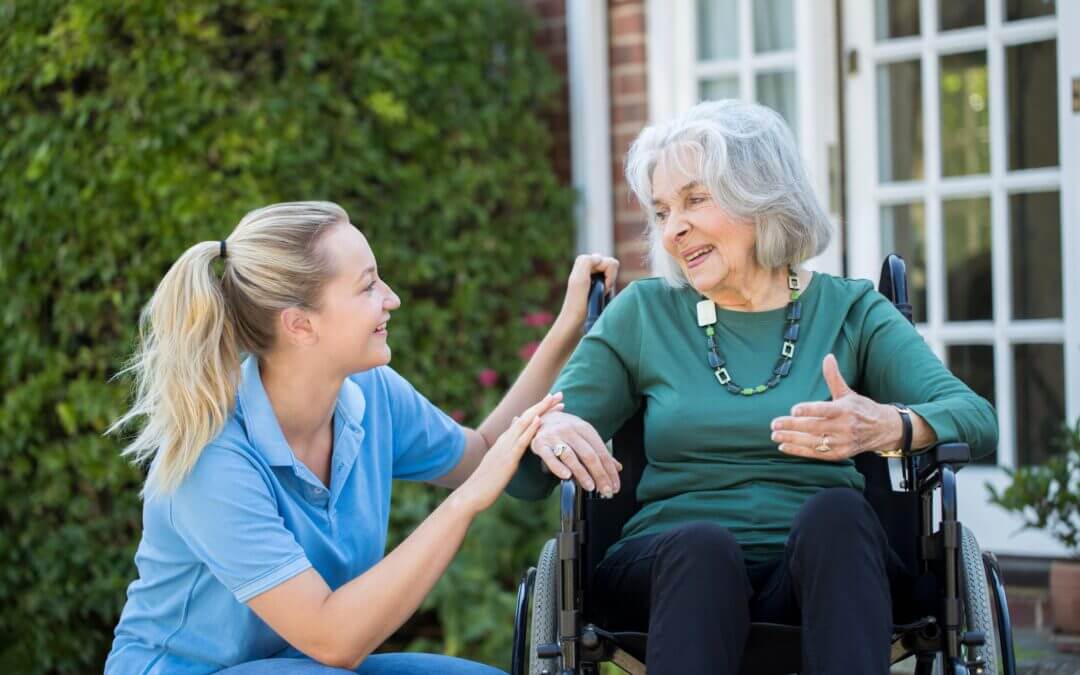
Growing older often brings changes that aren’t always visible from the outside. Many older adults spend more time alone than they ever expected, especially after retirement, mobility changes, or the loss of a spouse or close friends.
According to a 2025 AARP study, at least 40% of older adults (ages 45 and up) report feeling lonely. Although loneliness depends heavily on many factors, it’s clear that seniors need social engagement as much as younger generations.
Over time, limited social interaction can begin to affect mental health in ways that feel heavy and isolating. Isolation and loneliness can impact daily well-being, motivation, and a person’s sense of purpose.
Professional mental health support for seniors at home can help individuals feel more connected, valued, and understood. Through social engagement services for the elderly, in-home companion care offers something deeply human: conversation and reassurance that someone truly cares.
Understanding Loneliness and Mental Health in Seniors
Loneliness doesn’t always manifest as sadness. For many older adults, it shows up as withdrawal, fatigue, or a gradual loss of interest in things they once enjoyed.
As reported by the World Health Organization, extended social isolation is linked to depression, anxiety, and cognitive decline. Today, the most common mental health problems for older adults are depression and anxiety.
Some seniors also experience memory issues or difficulty focusing when social connections shrink. Others struggle with self-esteem or motivation, feeling disconnected from the world around them.
Over time, mental health challenges may even begin to affect physical health, increasing the risk of sleep issues, weakened immunity, and chronic conditions.
Reducing senior loneliness with home care can address these challenges in gentle, supportive ways. Restoring daily social interaction helps seniors feel less alone in their own homes, without dramatically changing their routines or environments.
Why Seniors Are at Higher Risk of Social Isolation
Social isolation and loneliness rarely happen all at once. Many older adults develop slowly through a series of life changes, often outside their control.
Understanding these factors helps explain why connection can become harder with age, even for seniors who once had active social lives.
Senior Isolation: Living Alone and Fewer Daily Interactions
Living alone can dramatically reduce everyday social interaction. Without regular conversations at home, days may pass with little meaningful connection. Even small exchanges, such as chatting over coffee or sharing a meal, can disappear.
This contributes to isolation and loneliness over time, as well as more concerning risk factors. According to USAging, socially isolated older adults face a 29% increased risk of early mortality, which is comparable to mortality rates associated with smoking, obesity, and air pollution.
Mobility Challenges and Chronic Health Conditions
Chronic illness, pain, or limited mobility can make it physically difficult to leave the house. When simple outings become exhausting or unsafe, older adults may stop attending activities they once enjoyed.
As opportunities for social engagement shrink, social isolation often grows alongside declining physical health.
Transportation Barriers and Reduced Community Access
Driving limitations or lack of reliable transportation can prevent seniors from visiting senior centers, social support groups, or community center events. Even when the desire for connection remains strong, getting there can feel upsetting or triggering.
Over time, missed opportunities to foster social connections can lead to deeper social isolation and loneliness. That’s why regular transportation assistance is so important for many seniors.
Loss of Loved Ones and Longstanding Routines
The loss of a spouse, close friends, or familiar routines can leave a profound emotional gap. Grief often reshapes daily life, making it harder to rebuild social circles or form new strong connections.
For many older adults, these losses create both emotional pain and practical barriers to staying socially engaged.
Emotional Barriers Like Grief, Anxiety, or Withdrawal
Emotional challenges can subtly push seniors away from others. Grief, anxiety, or fear of being a burden may cause someone to withdraw, even when they crave companionship. These emotional barriers can deepen isolation and loneliness, making it harder to ask for emotional support or connection.
Scheduled social engagement for the elderly at home helps bridge these gaps by bringing companionship directly into the space where seniors feel safest. Through consistent presence and genuine social interaction, home care offers a supportive path toward reconnection.
How Senior Companion Care Services Provide Impactful Social Engagement
Senior companion care services focus on relationships first. While practical support matters, the heart of companion care is connection: being present, listening, and building trust over time.
Professional caregivers spend time talking, sharing stories, and engaging in genuine conversation. They participate in hobbies, play games, take walks, or simply sit together during quiet moments. Shared meals become opportunities for social interaction rather than solitary routines that contribute to chronic loneliness.
Companion care also supports outings, whether it’s attending health care provider appointments, visiting senior centers, or enjoying time outside the home. For seniors who can’t participate in group interventions or seek support groups, this one-on-one connection becomes even more powerful.
By offering consistent social interaction, companion care helps combat loneliness while honoring each person’s pace and preferences.
Mental Health Benefits of Social Engagement Through Home Care
Regular companionship provides real health benefits that go beyond conversation. The Mayo Clinic has even dubbed strong social connections as a surprising key to healthy aging in the last couple of years.
Social engagement helps reduce isolation and loneliness while supporting emotional balance and mental clarity. Many seniors experience improved mood, fewer feelings of anxiety, and a renewed sense of belonging.
Mental health support for seniors at home encourages daily routines, laughter, and shared purpose. Social connections and community involvement stimulate memory, promote cognitive engagement, and help seniors stay mentally active. Feeling seen and heard also supports emotional health and overall social well-being.
Combating social isolation with home care allows older adults to reconnect with themselves and others. These profound effects can, in turn, lead to improved confidence, better sleep, and stronger motivation to stay involved in daily life.
Personalized Social Care Plans for Emotional Support
Meaningful companionship doesn’t come from a checklist. It grows from really knowing someone: what makes them laugh, what brings them comfort, and what helps them feel at ease.
No two seniors are the same, and the most supportive companion care starts by honoring that.
Senior companion care services focus on building supportive relationships that feel natural and familiar. Caregivers are thoughtfully matched based on personality and shared interests, whether that’s enjoying quiet conversation, talking about family memories, playing games, or simply sitting together during the day.
When companionship feels comfortable, connection follows.
Consistency also plays a big role. Seeing the same caregiver regularly allows trust to build over time, creating space for deeper social connections and emotional openness. Activities are gently adjusted to match cognitive or physical activity levels, so seniors feel encouraged instead of overwhelmed.
Of course, family members remain an important part of this process. Their insight helps caregivers understand daily routines, personal preferences, and emotional needs. This collaborative, personal approach supports emotional well-being and helps seniors feel safe and truly cared for.
Reducing Senior Loneliness & Supporting Families in North Carolina
As you can see, social engagement for the elderly at home plays a powerful role in maintaining mental health and overall wellness. Through compassionate companionship, seniors can experience connection, purpose, and comfort in their daily lives.
If someone you love is experiencing social isolation and loneliness, New Estuary Home Care is here to help. Contact us today to schedule a free in-home consultation and learn how our senior companion care services can support connections, communication skills, and brighter days ahead.