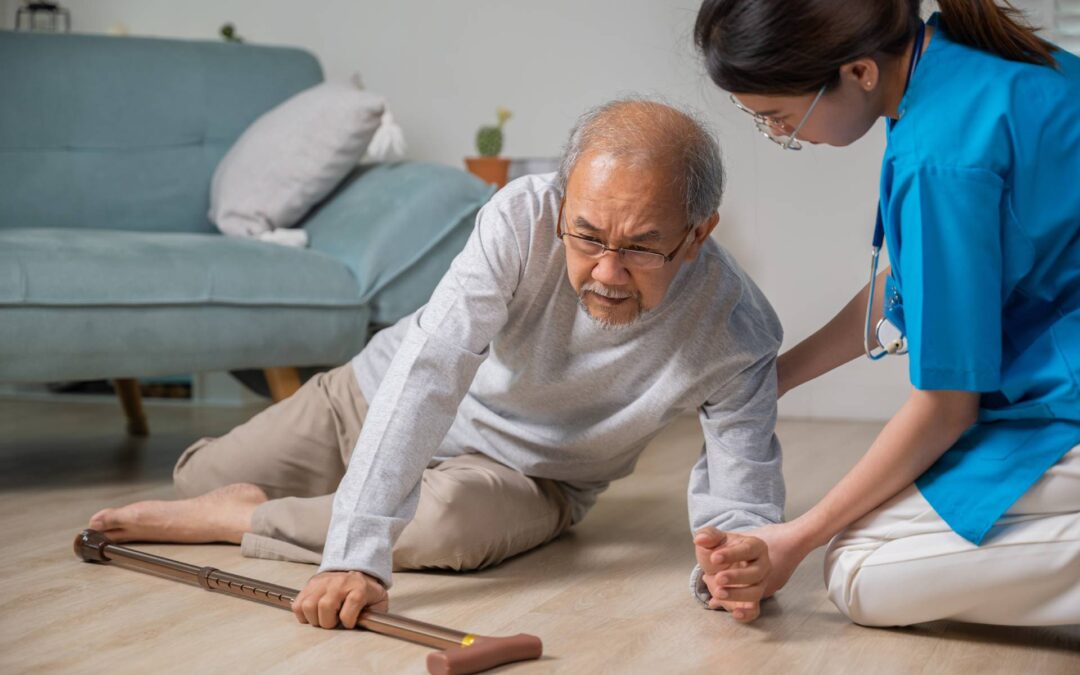
Most falls don’t happen during dramatic moments. They happen while doing something simple, like reaching for a towel, stepping out of the shower, or walking to the bathroom in the middle of the night.
For many older adults, the impact of a single fall can be life-changing.
Falls remain a leading cause of injury among seniors, often resulting in serious injury, broken bones, or head injuries that take months to recover from. Even when physical healing happens, self-confidence is often slow to return.
Suddenly, the home that once felt familiar can feel unpredictable. Each piece of furniture or dimly lit corner poses a threat.
A trusted care service can help reduce fall risks for seniors at home by identifying such hazards early, as well as supporting safe routines and providing a compassionate in-house presence.
Let’s talk about how this kind of specialized service can help seniors remain independent while feeling secure in their own space.
Why Seniors Are More Vulnerable to Falls and Serious Injuries at Home
According to the National Council on Aging, one in four Americans 65 and older falls every year. Even more concerning, the fall risk doubles once a senior has fallen once before.
Aging brings physical changes that naturally increase the risk of falling, even for otherwise healthy older adults. Muscle strength may decline, joints can stiffen, and balance problems may develop gradually. Vision changes, hearing loss, and slower reaction times also play a role in fall vulnerability.
Health factors matter, too. Multiple medications can cause dizziness or changes in blood pressure, while chronic conditions may affect coordination, blood vessels, or endurance.
These medical risk factors are often compounded by environmental issues such as poor lighting, clutter, or wet surfaces.
That’s why fall prevention for seniors at home requires thoughtful assessment, ongoing awareness, and hands-on support. The goal is to prevent falls before they happen, rather than just help seniors recover.
Common Areas in the Home Where Falls Occur
Certain spaces inside the home consistently carry a higher risk of falling for older adults. These include:
Bathrooms
Most research from sources like Stanford indicates that the bathroom is the most common place for falls. Slick tile, wet surfaces, and stepping in and out of tubs or showers can quickly lead to broken bones or head injuries, especially when balance or strength is compromised.
Kitchens
In the kitchen, falls often happen during everyday moments. Reaching into cabinets, walking across slick floors, or trying to clean up spills immediately can all throw off balance, especially when mobility or strength has changed.
Bedrooms
Bedrooms present risks during nighttime movement. Trips to the bathroom without a night light or accessible light switches can cause disorientation and increase the risk of falling, particularly when seniors are drowsy.
Stairs and Entryways
Uneven steps, loose railings, and cluttered pathways make stairs and entryways common tripping hazards. These areas require extra attention to reduce fall risk.
Professional senior home safety assistance focuses on these high-risk zones, helping identify and address concerns families may not notice until a fall occurs.
How Home Care Supports Fall Prevention for Seniors at Home
Effective fall prevention starts long before a fall ever happens. Rather than reacting after an injury, a trusted home care service focuses on supporting safe movement throughout the day and reducing risks as part of everyday life.
Caregivers are there during moments when falls are most likely: when walking, transfers, and routine activities that can challenge balance. They provide support during tasks like bathing or dressing, when balance problems tend to show up.
By making sure assistive devices are used correctly and consistently, caregivers help lower the overall risk of falling in ways that feel natural, not restrictive.
Medication support is another important layer of safety. Timely reminders help with disease control and reduce dizziness or fatigue that can come from multiple medications.
When additional support is needed, caregivers work alongside a healthcare provider, physical therapist, or occupational therapist to reinforce physical therapy goals that improve balance and mobility. This ongoing presence helps prevent falls before they turn into emergencies.
Senior Home Safety Assistance: Making the Home Safer
One of the most effective ways to prevent falls is by making the home safer in little but practical ways. Caregivers who provide senior home safety assistance are trained to notice small details that can make a big difference in reducing the risk of serious injury.
That might mean clearing clutter from walkways, securing or moving electrical cords, or removing loose rugs that can easily cause a trip. Caregivers often recommend non-slip mats and grab bars, or help families install grab bars in bathrooms and near stairs where extra support is most needed.
Lighting also plays a major role. Adding a night light, placing additional night lights, or adjusting light switches can help prevent missteps caused by poor lighting, especially during nighttime movement.
Even simple adjustments, like rearranging furniture to create clear pathways or encouraging seniors to wear properly fitting shoes, can go a long way in lowering the risk of falling.
Personalized Care Plans That Reduce Fall Risk Factors
Every senior’s situation is different. Some may be steady on their feet but need extra support at night, while others may be recovering from previous falls or managing changes in strength and balance.
That’s why reducing fall risks starts with truly understanding the individual and their needs.
A thoughtful home care service takes the time to learn about health history, daily routines, mobility, and how a senior moves through their home. Care plans are shaped around real life to account for changes in strength, coordination, and home layout.
Professional caregivers stay attentive to small changes that could increase fall risk and communicate with a senior’s healthcare provider to support medical guidance and disease control. As needs change, care adjusts, whether that means changing routines, updating safety measures, or adding extra support to help prevent falls while preserving independence.
Emotional Support & Confidence Building Through Home Care
The fear of falling can be just as dangerous as the fall itself. Anxiety often leads older adults to limit movement, which weakens muscles and increases the risk of falling even more.
Caregivers provide reassurance, encouragement, and calm presence. They help seniors rebuild their confidence through safe routines, gentle movement, and sometimes exercises like tai chi, recommended by a healthcare provider or physical therapist.
Simultaneously, emotional support matters more than people realize. When seniors feel safe and supported, they’re less likely to rush, overextend, or second-guess themselves. That helps them stay active and comfortable at home.
Talk With a Care Team That Truly Understands Fall Prevention
Falls are not an inevitable part of aging. With the right support and fall-proofing, you can reduce risks for seniors at home while preserving their independence, dignity, and peace of mind.
If you’re concerned about fall risks for someone you love, New Estuary Home Care is here to help. We’ll conduct a room-by-room fall risk assessment to determine where the hazards lie and how we can protect your senior family member.
Contact our North Carolina team to learn how personalized, empathetic home care can make home safer, without taking away what matters most.